Many parents worry that their child “can’t focus.” Homework takes too long. Instructions must be repeated. Independent play dissolves quickly. It is easy to interpret these patterns as laziness or lack of motivation, but in most cases, the issue is developmental.
Attention is not a fixed personality trait. It is a skill that develops slowly and strengthens through repetition. Just as physical endurance increases with structured practice, mental stamina grows when children are guided through manageable focus intervals.
What children need is not longer work sessions. They need shorter, repeatable practice blocks that gradually expand their capacity to sustain attention.
This system is simple, measurable, and adaptable across ages. The goal is not forcing long concentration periods immediately. The goal is building endurance steadily.
Why Sustained Focus Feels Hard
Children’s brains are still developing executive function, which includes attention control, impulse management, and working memory. Younger children, especially those under ten, naturally shift attention more frequently than adults.
Modern environments also compete for attention constantly. Screens, rapid transitions, and multitasking habits train the brain to expect stimulation. When children are suddenly asked to sit and focus quietly for long periods, their brain resists because it has not practiced sustained engagement.
The solution is not stricter discipline. It is structured practice.
When focus is trained in short, defined intervals with clear boundaries, children learn that attention has a beginning and an end. This reduces resistance and increases cooperation.
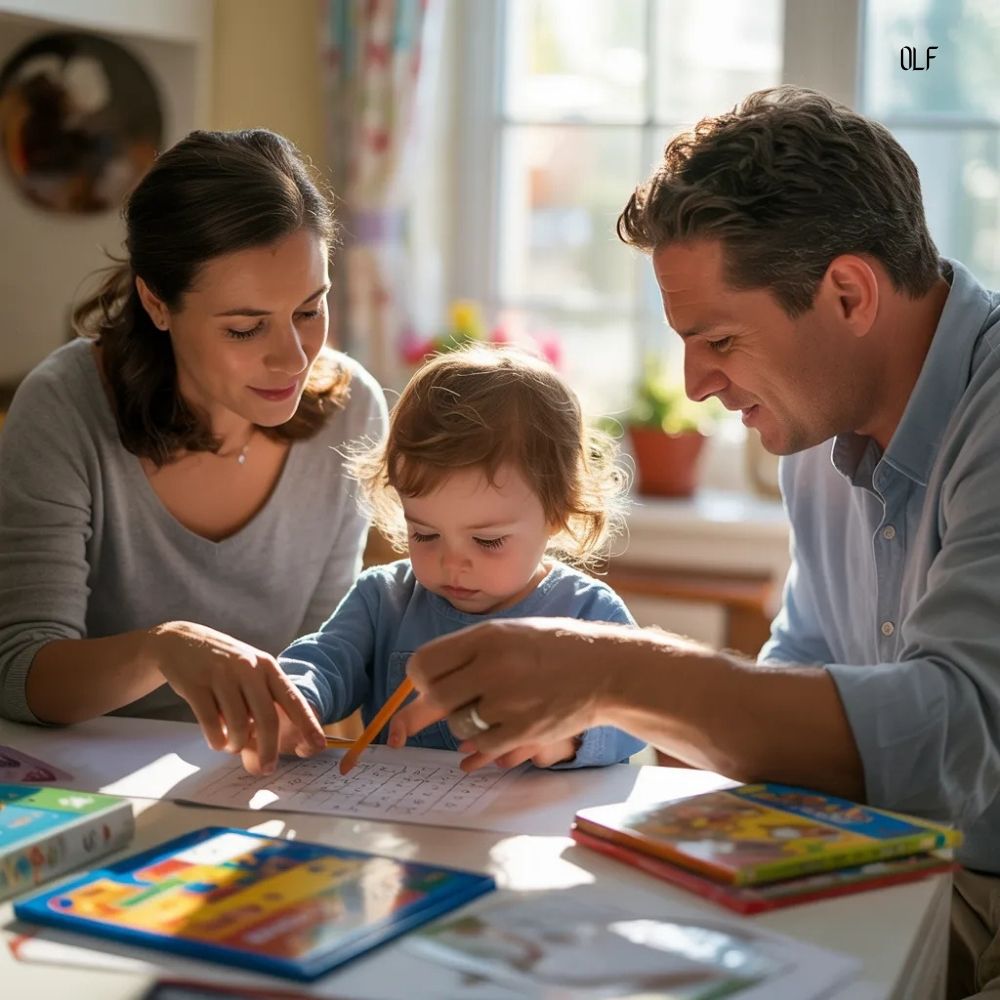
The Short Focus Block Method
The method is based on three principles:
- Start small.
- Repeat consistently.
- Increase gradually.
A focus block is a timed period during which a child works on one defined task without interruption. The block length depends on age.
As a general guideline:
- Ages 5–7: 8 to 12 minutes
- Ages 8–10: 15 to 20 minutes
- Ages 11–12: 20 to 25 minutes
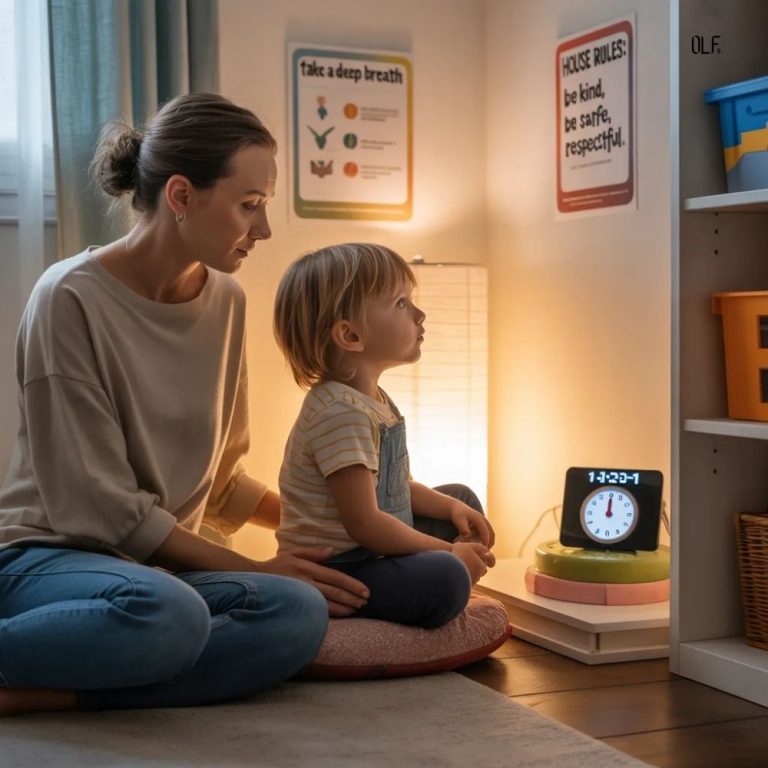
The timer makes time concrete. When children can see or hear the end point, they are more willing to begin.
Step One: Define One Clear Task
Before starting the timer, identify a single, specific goal. Instead of saying, “Do your homework,” say, “Complete the first ten math problems.” Instead of “Clean your room,” say, “Put away everything on the floor.”
Clear targets reduce overwhelm and improve initiation. Explain calmly: “We’re going to focus until the timer rings.” Avoid long speeches. Predictability is more powerful than persuasion.
Step Two: Remove Competing Stimuli
During the focus block, reduce distractions. This might mean:
- Clearing unnecessary materials from the desk.
- Turning off background screens.
- Silencing notifications.
- Choosing a consistent work location.
This does not require a perfect environment. It requires fewer interruptions. Children often appear distractible when too many inputs compete simultaneously.
Step Three: Start the Timer and Step Back
Once the timer begins, resist hovering. If a child asks unrelated questions or drifts off task, respond briefly: “The timer is still running.”
Keep your tone neutral. Avoid escalating into correction lectures. The purpose of the timer is to contain effort.
Step Four: Allow a Predictable Break
When the timer rings, allow a short reset of three to five minutes. Encourage physical movement rather than screens.
This break signals that effort has a defined limit. It also teaches children to recover before beginning again. If additional work remains, repeat another block.
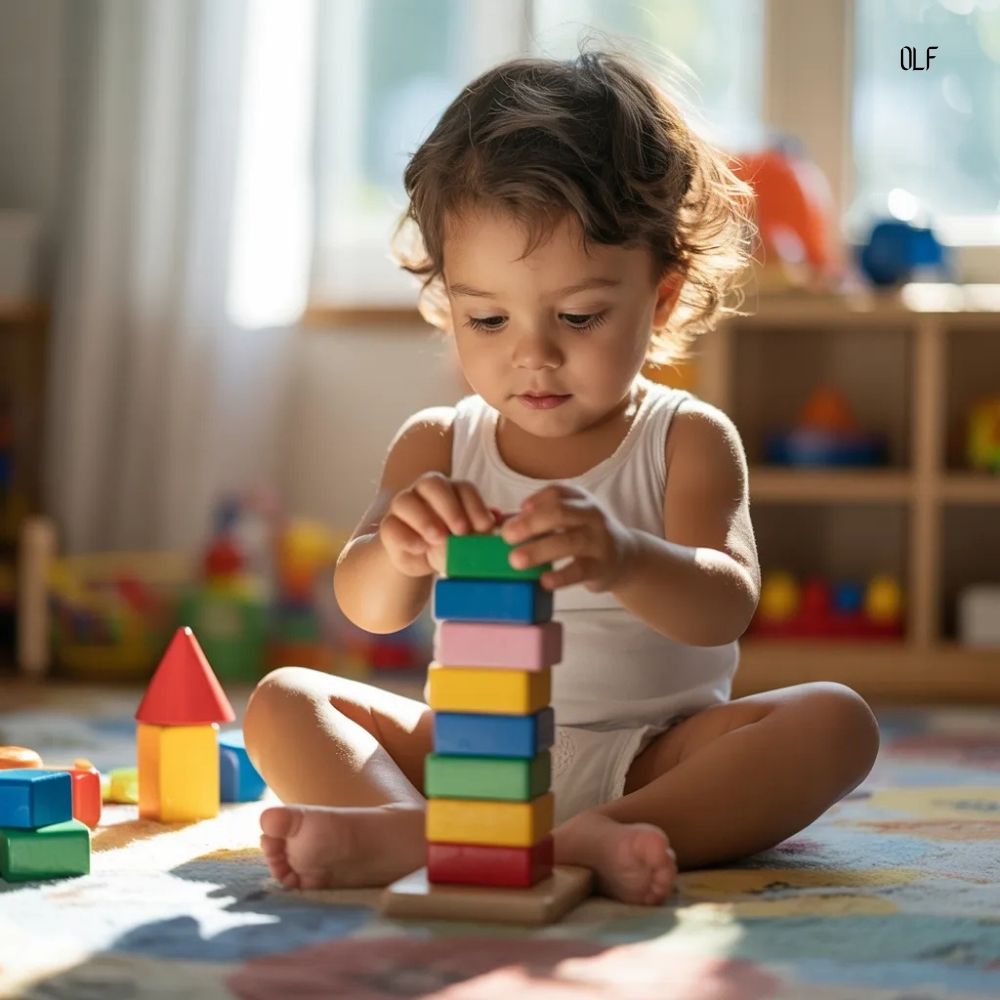
Gradual Attention Building
The most important element of this system is gradual increase.
If a child can sustain attention for ten minutes comfortably for one week, increase the block by two minutes the following week. Do not jump from ten minutes to twenty immediately.
Attention stamina grows like muscle strength. Small increases prevent burnout.
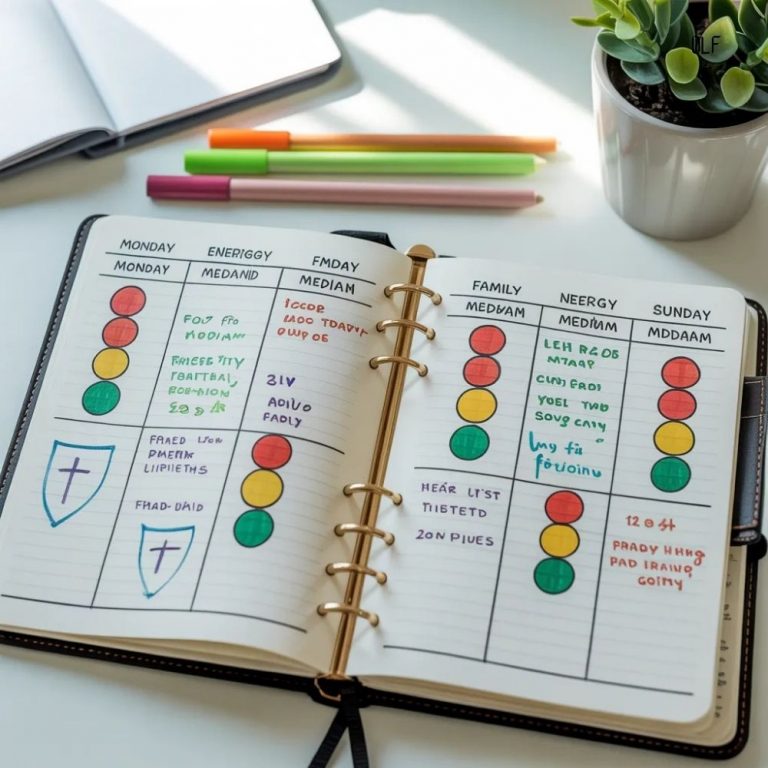
Track progress weekly. If the child sustains 12 minutes consistently, that is measurable growth. Over two months, those minutes compound significantly.
What to Expect in the First Two Weeks
In the beginning, children may test the structure. They may complain that the timer feels long or attempt to negotiate longer breaks.
Respond calmly and consistently: “We focus until the timer rings.” Within one to two weeks, most children adapt. Resistance decreases because the boundaries are stable.
Parents often notice:
- Faster task initiation.
- Fewer mid-task interruptions.
- Reduced argument about starting work.
These are early indicators of strengthening attention.
Measuring Sustained Attention
You can measure progress in practical ways:
- How many reminders are needed during one block?
- Does the child complete the defined task within the block?
- Has the block duration increased over time?
- Does the child return to focus more quickly after a break?
If reminders decrease from five per session to two within a month, focus is improving. If a child can complete two consecutive blocks calmly where they previously struggled with one, endurance is building.
Adapting the System for Different Contexts
This method is not limited to homework. It can be used for:
- Reading practice.
- Creative projects.
- Instrument practice.
- Cleaning tasks.
- Independent play.
For creative tasks, the instruction may be: “Draw until the timer rings.”
For reading: “Read one chapter during this block.”
Consistency across activities strengthens the brain’s expectation of focused effort.
When Focus Falters
Some days attention will be lower due to fatigue, stress, or illness. On those days, reduce the block length slightly rather than abandoning the system entirely.
If resistance becomes intense, evaluate whether the task is too large or unclear. Often the issue is not focus capacity but task definition. Returning to smaller targets restores momentum.
The Long-Term Skill Being Built
Short, repeatable practice blocks build more than homework efficiency. They strengthen sustained attention, task initiation, and delayed gratification.
Children learn that focus is something they can practice rather than something they either have or lack. They experience progress as block length increases. This builds confidence.
Over time, the brain becomes accustomed to extended engagement. What once felt long begins to feel manageable. This skill transfers into classrooms, extracurricular activities, and later academic demands.
A Steady Path to Stronger Attention
Many families attempt to improve focus by insisting on longer work sessions immediately. This often leads to frustration and avoidance. The more effective path is smaller, consistent effort repeated daily.
Short blocks reduce resistance because the endpoint is visible. Repetition strengthens neural pathways associated with sustained attention. Gradual increases expand capacity without overwhelming the child.
The outcome is measurable. Sustained attention span increases. Task completion becomes more predictable. Conflict decreases because expectations are contained and achievable.
Attention is not built in one afternoon. It grows through structured repetition.
When focus is practiced intentionally in manageable intervals, children learn that concentration is a skill they can strengthen. And with steady growth, what once felt difficult becomes part of their normal rhythm.