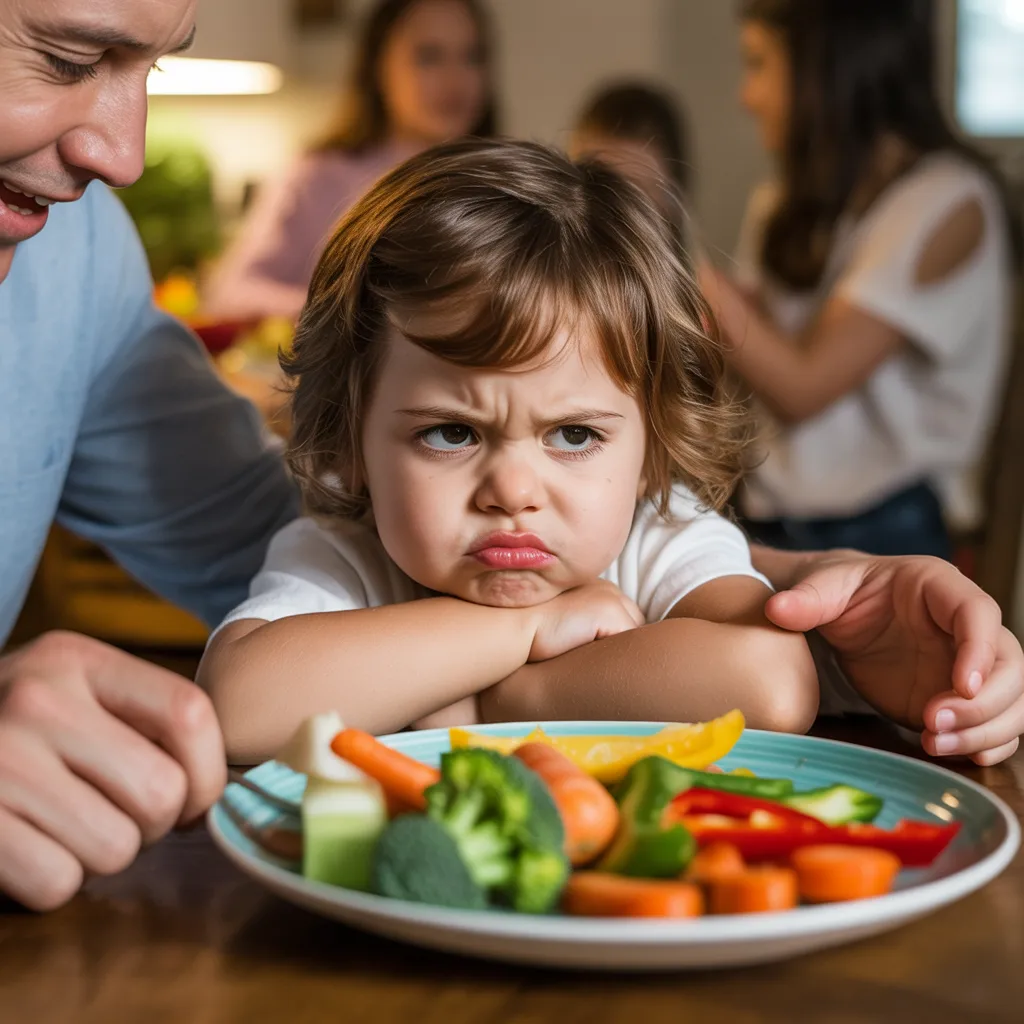
Few daily moments create more quiet tension than introducing a new food. A parent places something unfamiliar on the plate. The child stiffens, pushes it aside, or declares they do not like it without tasting it. The parent encourages. The child resists. The table atmosphere shifts.
Over time, both sides become cautious. Parents anticipate refusal. Children anticipate pressure. The unfamiliar food becomes symbolic rather than nutritional.
Most resistance around new foods is not about defiance. It is about uncertainty. Children are naturally cautious eaters, especially between ages two and eight. Their sensory systems are still developing, and unfamiliar textures, smells, and colors can feel overwhelming.
What reduces resistance is not persuasion, bribing, or hiding ingredients. It is neutral, repeated exposure delivered calmly and predictably. This system focuses on lowering anxiety first. Acceptance grows from familiarity.
Why Children Resist New Foods
Young children are biologically wired to approach new foods cautiously. From a developmental standpoint, unfamiliar items trigger sensory alertness. The brain scans for safety. If pressure is added on top of that uncertainty, resistance increases.
When adults require tasting, negotiate bites, or express frustration, the emotional weight of the food increases. The child begins responding to pressure rather than flavor.
Additionally, children often need multiple exposures to feel comfortable with a new item. Research and real-life observation consistently show that most children require eight to twelve neutral exposures before voluntary tasting occurs.
Exposure means seeing the food, smelling it, touching it, or having it on the plate. Eating is only one stage of exposure. Reducing anxiety around unfamiliar foods begins with removing emotional intensity from the process.
The Neutral Exposure Repetition System
The system contains four steady principles:
- Small portions.
- No commentary.
- Repetition without pressure.
- Predictable placement.
Together, these lower resistance gradually.
Step One: Offer Very Small Portions
The unfamiliar food should be served in an intentionally small amount. A single roasted carrot slice. Two pieces of broccoli. One thin slice of mango.
Large portions signal expectation. Small portions signal safety. When the amount feels manageable, children are more likely to tolerate it sitting on their plate.
Step Two: Remove Pressure Completely
Avoid statements such as:
- “Just try one bite.”
- “You might like it.”
- “You can’t have dessert unless you eat it.”
Instead, use neutral language: “This is something new we’re learning about.”
If the child says they do not like it, respond calmly: “You don’t have to like it yet.” The word “yet” communicates growth without demand.
Step Three: Repeat Exposure Consistently
Choose one new food to introduce for a week or two. Include it in small amounts at several meals. Consistency builds familiarity.
The food should appear in a predictable way, such as always in the same section of the plate. Predictable placement reduces surprise. Repetition without commentary builds comfort.
Step Four: Allow Interaction Without Expectation
If the child touches the food, smells it, or moves it around, that counts as progress.
Avoid praising dramatically if they take a bite. Excessive excitement can feel like renewed pressure. Instead, respond neutrally: “You’re learning about it.” This keeps the emotional tone steady.
What to Expect During the First Two Weeks
The first few exposures may include refusal or avoidance. That is expected. By the fourth or fifth exposure, resistance often decreases. The child may stop commenting. By the seventh or eighth exposure, some children begin tasting voluntarily.
Measurable progress includes:
- Reduced verbal protest.
- Increased tolerance of the food remaining on the plate.
- Voluntary touching or smelling.
- Shorter negative reactions.
The goal during the first two weeks is reduced anxiety, not immediate consumption.
Example Recipe: Gentle Zucchini & Cheese Fritters
One effective way to introduce a new vegetable without triggering resistance is to combine it with a familiar flavor while still allowing the vegetable to be visible. The goal is not hiding the ingredient, but softening the sensory experience.
These zucchini fritters introduce texture gradually and pair well with a familiar dip such as yogurt or mild sauce.
Ingredients
- 1 medium zucchini, grated
- 1 egg
- ¼ cup shredded mild cheese
- 2 tablespoons flour
- Pinch of salt
- Small amount of olive oil for cooking
Preparation
Grate the zucchini and gently squeeze out excess moisture using a clean towel. In a bowl, combine the zucchini with egg, cheese, flour, and a small pinch of salt. Stir until just mixed.
Heat a thin layer of olive oil in a pan over medium heat. Spoon small amounts of the mixture into the pan, flattening slightly. Cook each side for two to three minutes until lightly golden. Serve one small fritter as the Growth Food alongside familiar items such as rice or chicken.
When introducing, say calmly: “This is a zucchini fritter. It’s something new we’re learning about.” Avoid describing it as “healthy” or “delicious.” Neutral language maintains safety.
Some children may initially eat around the edges. That is part of exposure. Over repeated meals, many begin tasting more confidently.

Pairing New Foods With Structure
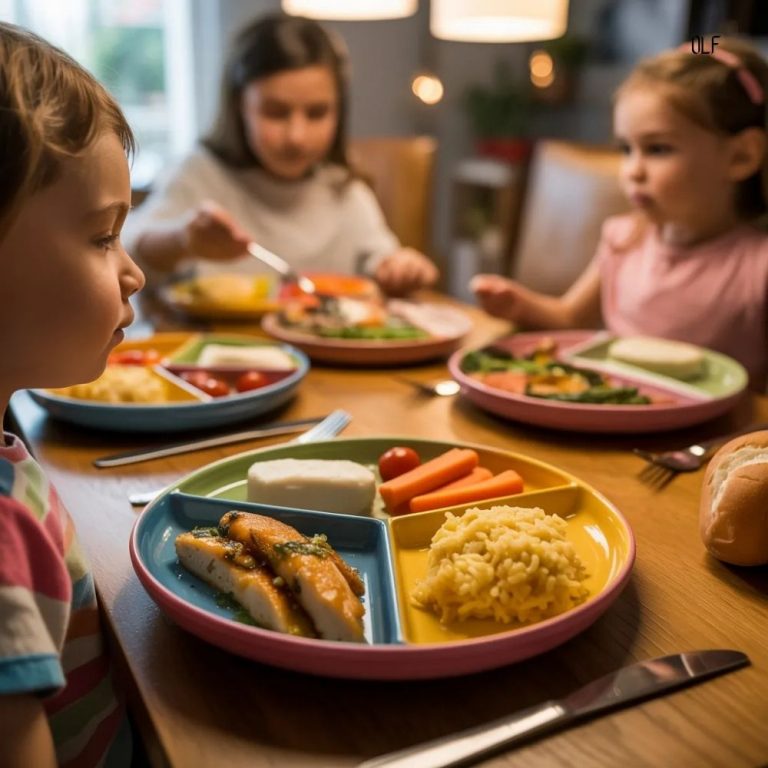
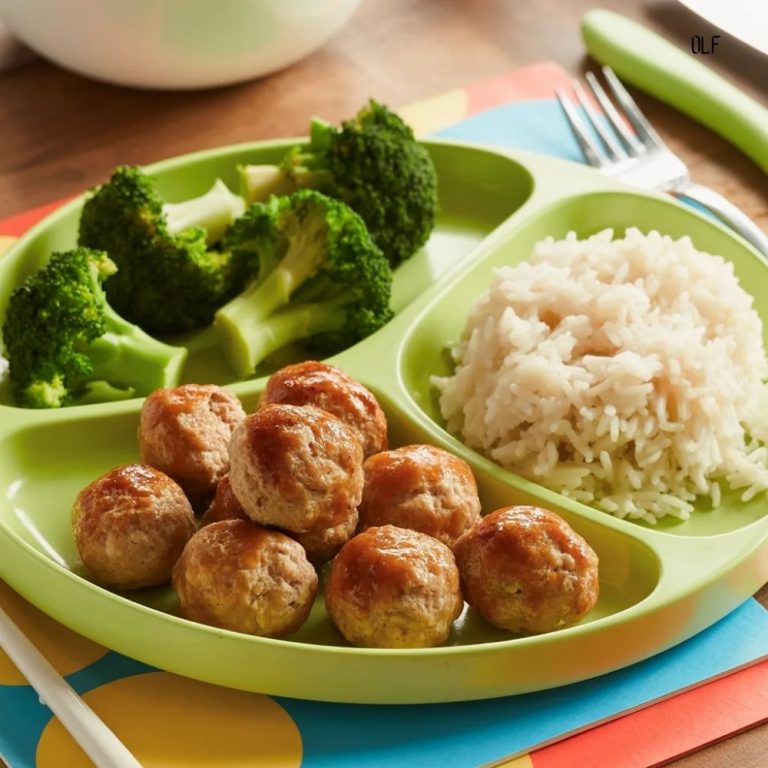
New foods should always appear alongside at least one Safe Food. The child must know there is something familiar available. The structure of the plate might include:
- A familiar protein or grain.
- The shared family meal.
- A small portion of the new item.
This balanced approach prevents hunger anxiety and reduces pressure.
Handling Strong Resistance
If a child becomes visibly upset when the new food appears, decrease portion size further. You may even begin with the food placed in a small side dish rather than directly on the plate.
If anxiety remains high, allow one or two meals without exposure before reintroducing calmly. The goal is steady progress, not forcing tolerance.
Measuring Reduced Anxiety
After several weeks, you may observe:
- Fewer comments about new foods.
- Less plate pushing.
- Increased curiosity.
- Voluntary tasting without prompting.
Track how many times the child comments negatively. If those comments decrease over time, anxiety is lowering.
If the child moves from refusing to tolerate the food on their plate calmly, that is meaningful progress.
The Long-Term Skill Being Built
Neutral exposure repetition builds food flexibility. Children learn that unfamiliar foods are not threats. They develop sensory tolerance gradually rather than through confrontation.
This approach also strengthens emotional regulation. The child experiences mild discomfort in a safe environment and learns to manage it.
Over time, children internalize the pattern. When encountering new foods outside the home, they are more likely to approach them calmly.
A Steady Approach Reduces Resistance
Introducing new foods does not require creative disguises or intense persuasion. It requires patience and structure.
Small portions. Neutral language. Repeated exposure. Predictable placement.
When pressure is removed, curiosity has space to grow.
Reduced anxiety leads to increased willingness. Increased willingness leads to expanded variety.
And expanded variety, built steadily over time, creates confident, flexible eaters without resistance dominating the table.