Dessert can quietly take on more emotional weight than any other food at the table. In many households, it becomes a bargaining chip. Children rush through dinner to get to it. Parents use it as leverage. If vegetables are finished, dessert is earned. If behavior falters, dessert disappears.
Over time, this dynamic elevates dessert to a higher status than other foods. It becomes the reward, the goal, the most valuable item on the plate. The unintended outcome is obsession.
Children begin focusing on what they are missing rather than what they are eating. They may rush meals, hide treats, or negotiate constantly. When dessert is unpredictable or highly restricted, attention intensifies.
The solution is not eliminating dessert entirely. The solution is removing its emotional power by giving it structure.
A balanced dessert system built on predictable placement reduces obsession while supporting long-term food neutrality. The goal is not increasing sugar intake. The goal is reducing food hierarchy.
Why Dessert Becomes a Power Struggle
Children are highly sensitive to patterns. When dessert is positioned as a reward, it becomes more desirable. When it is withheld frequently, it becomes scarce. Scarcity increases fixation.
Additionally, when dessert is served only after finishing dinner, children learn to ignore internal fullness cues. They may overeat foods they do not want in order to access the reward. This disconnects them from hunger and fullness signals.
When dessert is unpredictable, children may ask about it constantly because they cannot anticipate when it will appear. A predictable structure reduces uncertainty and removes negotiation.

The Structured Dessert Placement Approach
The system relies on three steady principles:
- Predictable frequency.
- Clear timing.
- Neutral language.
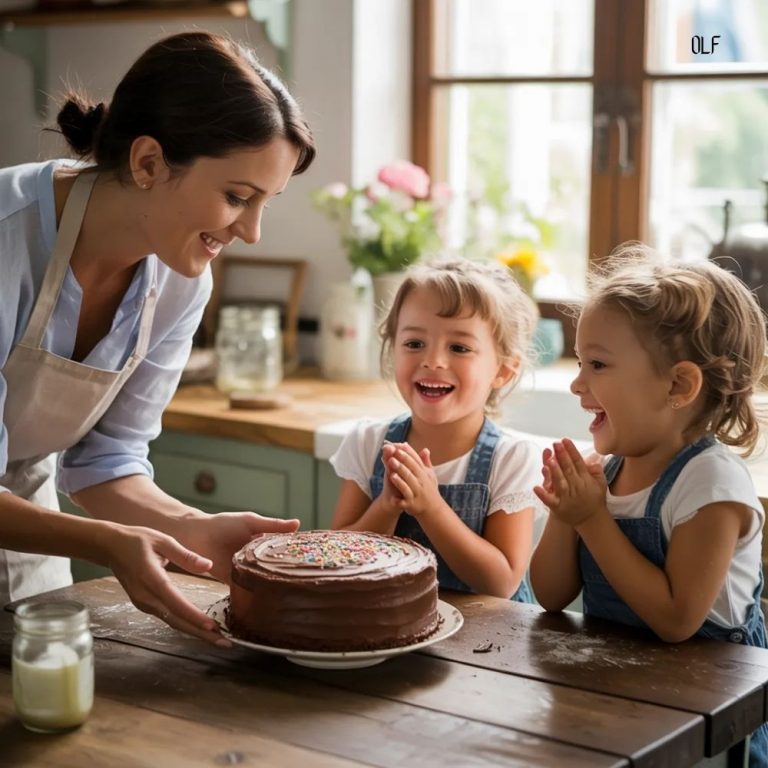
The most effective method for many families is serving dessert alongside dinner once or twice per week, rather than after dinner as a separate reward. This placement normalizes dessert as one component of the meal rather than a prize.
Step One: Choose a Predictable Frequency
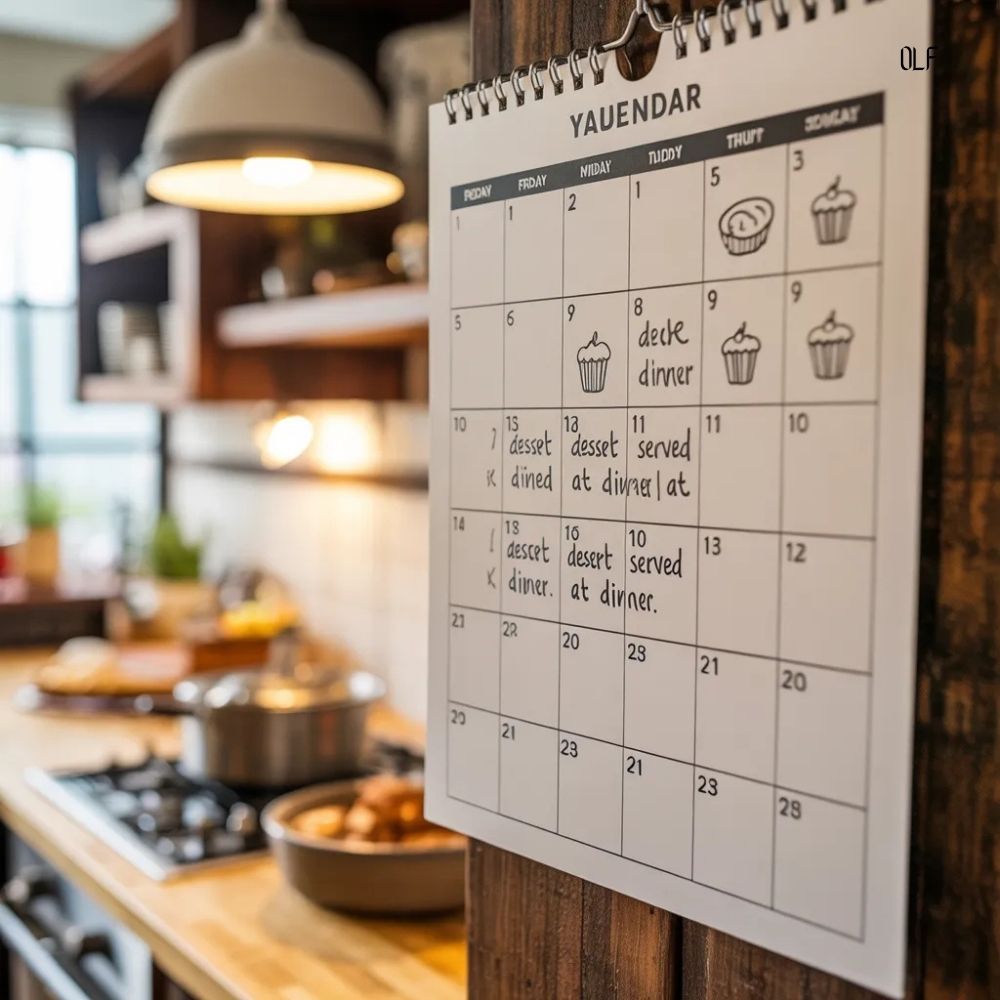
Decide in advance how often dessert will be included. For example, dessert may be served on Friday and Sunday dinners.
Explain calmly: “On Fridays and Sundays, dessert is part of dinner.” Consistency reduces repeated questioning.
Outside of those days, if a child asks for dessert, respond neutrally: “Dessert is on Friday.” The predictability lowers negotiation over time.
Step Two: Serve Dessert With the Meal
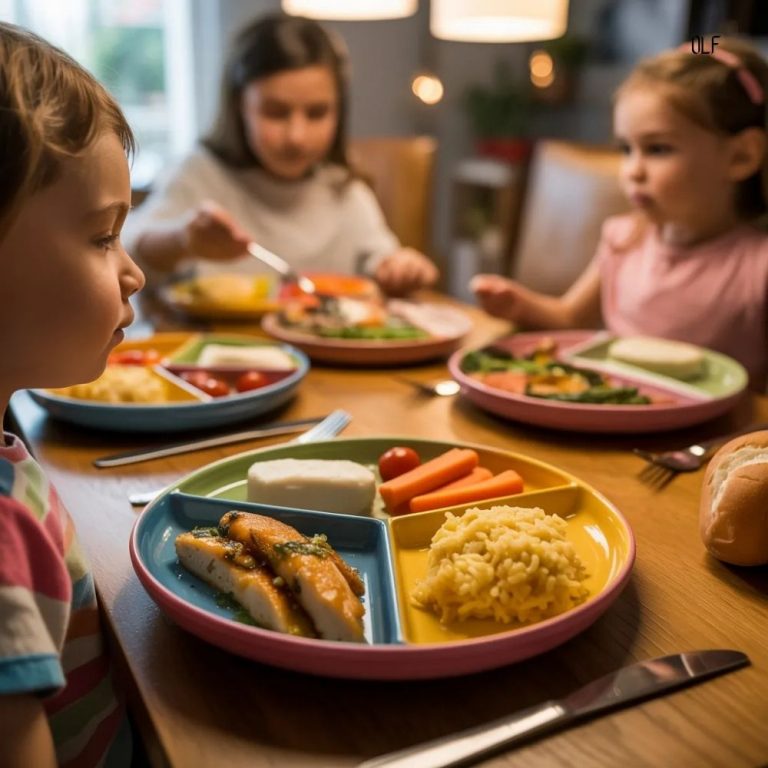
When dessert is included, place a small portion directly on the plate at the same time as the meal. Do not wait until dinner is finished. For example, if the dessert is a small cookie, place it next to the main meal rather than holding it back.
This approach communicates that all foods can coexist. It also reduces rushing because the dessert is not locked behind completion. Some children may eat the dessert first.
That is acceptable. Avoid commenting. Over time, most children begin distributing their bites naturally.
Step Three: Remove Conditional Language
Avoid phrases such as:
- “You can have this if you finish your vegetables.”
- “Earn your dessert.”
- “No dessert because you didn’t behave.”
Dessert is not tied to performance.
Behavioral limits should be enforced separately from food. If behavior requires correction, handle it without involving dessert. This separation protects the child’s relationship with food.
A Clear Example
Imagine it is Friday evening. Dinner includes grilled chicken, rice, broccoli, and one small brownie square. The brownie is placed on the plate at the same time as the rest of the meal.
Parent says calmly: “Tonight dessert is part of dinner.” No further commentary is necessary.
If the child eats the brownie first and then says they are full, the response remains steady: “You may be finished.” The next eating opportunity will be the next scheduled snack or breakfast.
Over several weeks, most children begin eating the brownie at different points during the meal rather than immediately. The novelty fades.
The measurable outcome is reduced dessert bargaining on non-dessert days and calmer behavior around treats.

What to Expect in the First Two Weeks
Initially, children accustomed to dessert as a reward may react strongly. They may eat the dessert immediately and ignore the meal. Stay consistent.
By the second or third exposure, excitement decreases. The dessert no longer carries suspense.
Track how often your child asks about dessert during the week. If those requests decrease within three to four weeks, obsession is lowering.
Also observe mealtime pace. If rushing slows and negotiation decreases, the structure is working.
Handling Common Concerns
Some parents worry that including dessert with dinner will lead to children eating only sweets. In practice, when dessert is predictable and limited in portion, children adjust quickly.
If a child consistently eats only the dessert and nothing else, ensure that the rest of the meal includes at least one Safe Food. The presence of a familiar item reduces meal refusal.
If dessert triggers hyperactivity, consider portion size and overall frequency rather than eliminating structure entirely.
Measuring a Healthier Food Relationship
A balanced dessert system produces observable shifts:
- Fewer requests for sweets outside designated times.
- Less bargaining during dinner.
- Reduced rushing to finish meals.
- Increased willingness to eat a variety of foods.
If dessert conversations decrease within one month, the emotional charge is fading. If children begin leaving part of their dessert unfinished occasionally, that signals improved internal regulation.
The Long-Term Skill Being Built
Structured dessert placement teaches moderation. Children learn that treats are neither forbidden nor unlimited. They experience sweets as part of normal eating rather than rare rewards.
This balance reduces extremes in adolescence and adulthood. When dessert is not associated with performance or secrecy, children are less likely to overconsume when given independent access later.
They also learn to trust their fullness cues because eating is not tied to earning.
A Calm Shift in Perspective
Dessert does not need to disappear from family life. It needs to lose its emotional leverage.
Predictable frequency, consistent placement, and neutral language create balance. Over time, children stop fixating because the structure is steady. The goal is not eliminating preference for sweets. The goal is removing obsession.
When dessert becomes ordinary rather than extraordinary, children develop a healthier long-term relationship with food.
And that relationship, built through calm structure, supports steady eating habits that last far beyond childhood.