Many parents begin cooking two dinners without intending to. It usually starts with good intentions. A child refuses the family meal. The parent worries they will go to bed hungry. A quick substitute is prepared. The next evening, resistance appears sooner. Within weeks, the kitchen operates like a short-order restaurant.
The issue is rarely about disrespect. It is about predictability. When children learn that refusal results in an alternative meal, resistance becomes a strategy. Parents feel trapped between enforcing structure and protecting nutrition.
The “One Safe Food” Rule restores clarity without turning dinner into a standoff. The system is simple: every meal includes one familiar, reliably accepted item. No substitutions are made after refusal.
This approach balances structure and security. Children know they will not be forced to eat unfamiliar foods, and parents know they will not be preparing separate meals. The outcome is measurable: reduced alternative meal requests and calmer dinner routines.
Why Short-Order Cooking Expands Over Time
Short-order cooking often develops gradually. A child declines a new dish. A parent prepares toast or pasta instead. The next time a meal feels unfamiliar, the child refuses earlier because experience has taught them that an alternative is available.
When substitutions are predictable, refusal becomes low-risk. At the same time, some parents respond by insisting children finish everything on their plate. That approach often increases tension and reduces hunger awareness.
The One Safe Food Rule sits between these extremes. It preserves the family meal while ensuring that children are not overwhelmed.
A New Structure for Family Meals
This system works best when families adopt a clear internal outline for dinner planning:
- The Family Meal
- The Safe Food
- The Growth Foods
- The Close
Each part has a purpose.
1. The Family Meal
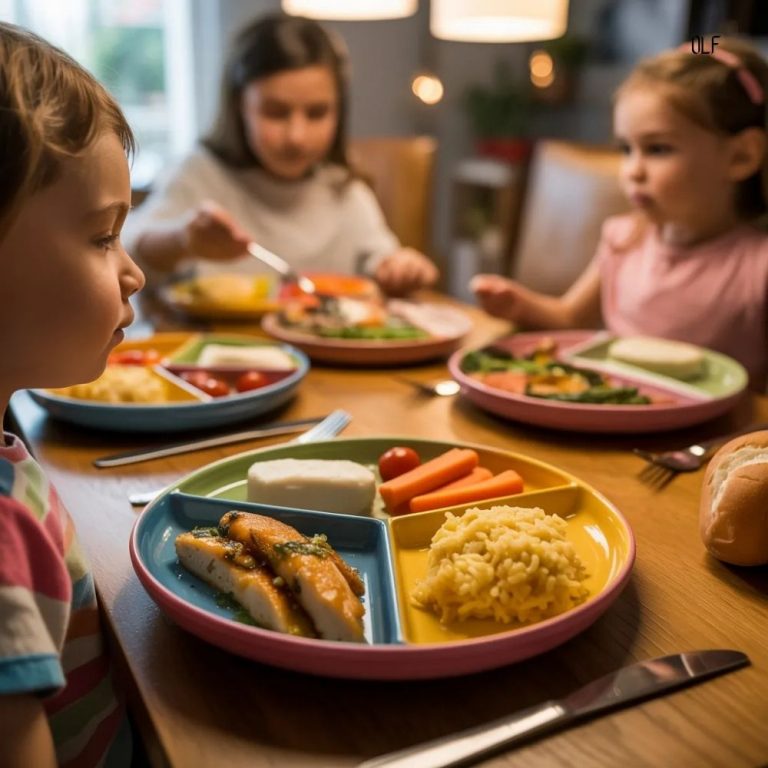
The Family Meal is what everyone is served. It may include a protein, a grain, and vegetables. It is not redesigned around individual preferences. For example, dinner might include:
- Baked chicken
- Roasted sweet potatoes
- Steamed green beans
The family meal reflects the household’s overall food plan.
2. The Safe Food
The Safe Food is one item that the child reliably eats. It is not a separate meal. It is one component of the meal that feels familiar and manageable.
In the example above, the Safe Food might be the sweet potatoes if the child consistently eats them. If none of the main components feel safe, the parent may add one simple item such as plain rice, bread, or fruit.
The key is consistency. There is always one reliable option. There are never unlimited alternatives.
3. The Growth Foods
Growth Foods are items that may not yet be preferred. They remain on the plate in small portions without pressure.
The child may eat them or ignore them. Both responses are acceptable. The presence of the Safe Food reduces anxiety around the Growth Foods.
4. The Close
When dinner ends, it ends. No additional meal is prepared later. The next eating opportunity occurs at the next scheduled snack or breakfast. This closure is essential. It reinforces predictability.
A Realistic Meal Example
Imagine a family serving:
- Turkey meatballs
- Brown rice
- Steamed broccoli
For a child who eats rice consistently, rice becomes the Safe Food. The parent serves:
- A portion of turkey meatballs
- A portion of broccoli
- A portion of rice
The parent states calmly: “This is dinner.”
If the child eats only rice and leaves the rest, the parent does not prepare an alternative. Later, if the child says they are hungry before bed, the parent responds: “Breakfast is in the morning.”
Within several evenings, the child begins tasting meatballs voluntarily because the structure is steady. The measurable difference is a decline in requests such as, “Can you make me something else?”

What to Expect During the First Two Weeks
If a family has previously provided substitutions regularly, children may test the new structure. You may hear:
- “I don’t like this.”
- “I want something else.”
- “I’m still hungry.”
Respond neutrally: “This is dinner.” Avoid long explanations. Avoid defending the meal. Within one to two weeks, most families observe:
- Fewer immediate refusals.
- Reduced bargaining.
- Increased tasting of Growth Foods.
- Shorter dinner duration.
Track how often you prepare alternative meals. If that number decreases to zero within several weeks, the system is working.
Addressing Hunger Concerns
Parents often worry that children will go to bed hungry. In most cases, children who skip parts of dinner adjust quickly when they realize no alternative is coming. Hunger becomes clearer and more predictable.
Ensure that the Safe Food is genuinely accessible. It should be something the child reliably eats.
If a child consistently refuses even the Safe Food for several days, reassess portion sizes and meal timing. Structure should support security, not deprivation.
Adjusting for Multiple Children
In families with multiple children, each child may have a different Safe Food. The parent does not need to tailor the entire meal. Instead, choose one item that is broadly accepted, or include one additional simple item that works for everyone.
For example:
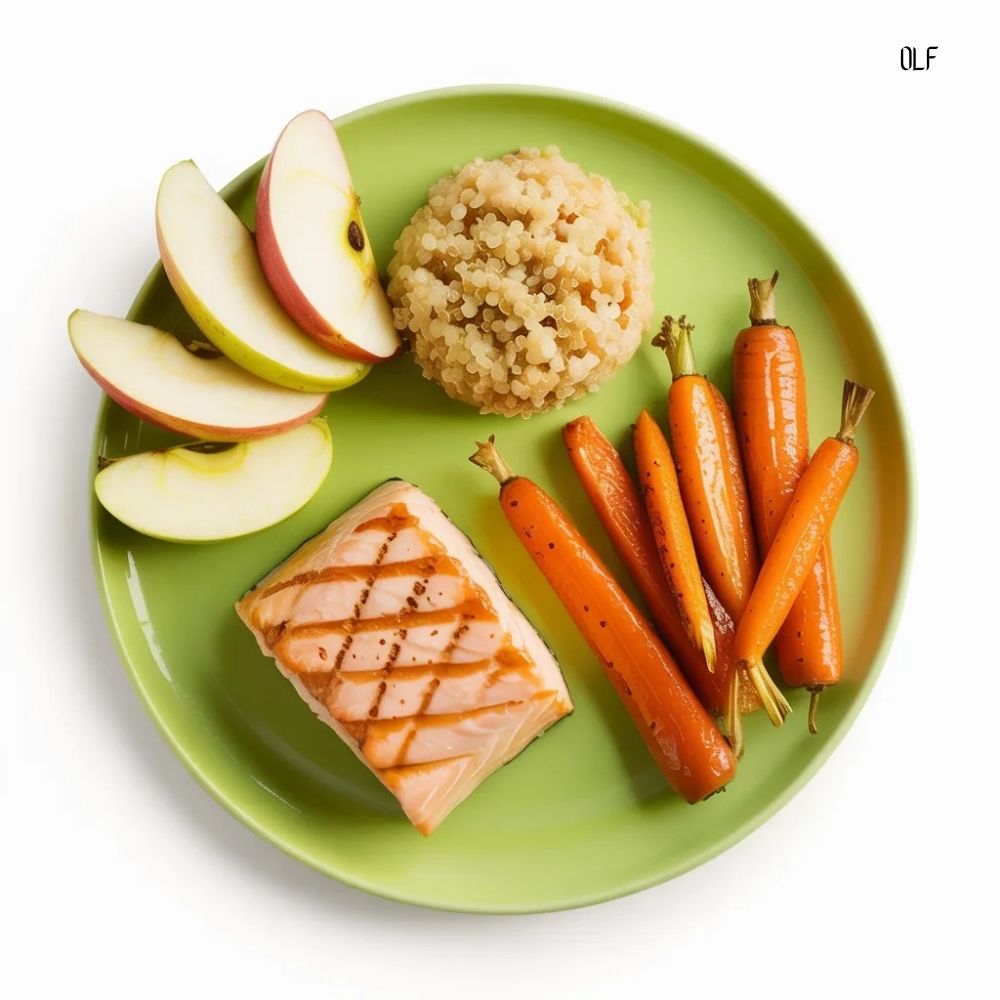
- Grilled salmon
- Quinoa
- Roasted carrots
- Sliced apples
Apples may serve as the Safe Food for multiple children. The structure remains consistent across siblings.
The Long-Term Skill Being Built
The One Safe Food Rule builds flexibility without pressure. Children learn that meals are predictable and that unfamiliar foods are part of family life, not threats.
They also learn internal hunger awareness. If they choose not to eat beyond the Safe Food, they experience natural hunger before the next meal rather than relying on substitutions.
Over time, many children expand their preferences simply because the emotional charge around dinner decreases.
Structure Reduces Short-Order Cooking
Short-order cooking thrives on uncertainty and negotiation. The One Safe Food Rule removes both.
This steady structure supports nourishment without conflict. It respects children’s autonomy while preserving parental authority.
And when dinner becomes predictable rather than negotiable, alternative meal requests decline naturally, allowing the kitchen to return to its intended role: serving one family meal with calm consistency.