Many parents worry about variety. They notice the short list of accepted foods and wonder whether it will ever expand. They try introducing new items with enthusiasm. Sometimes it works. Often it does not. Mealtime turns into encouragement, negotiation, or subtle pressure.
Food flexibility rarely develops from intensity. It develops from structure.
Children are more willing to explore food when the environment feels predictable and emotionally steady. When mealtimes follow consistent patterns, anxiety lowers. Lower anxiety creates space for curiosity.
Food flexibility does not mean eating everything. It means gradually widening the circle of accepted foods over time without pressure or conflict.
The four structures below are not quick fixes. They are repeatable patterns that, when used consistently, encourage expansion without creating resistance.
1. The Consistent Plate Pattern
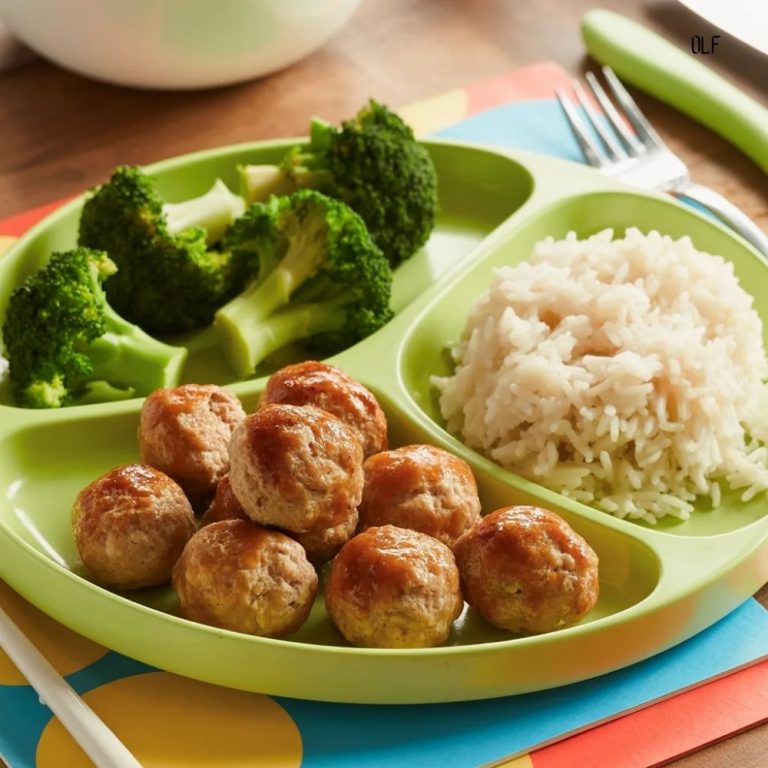
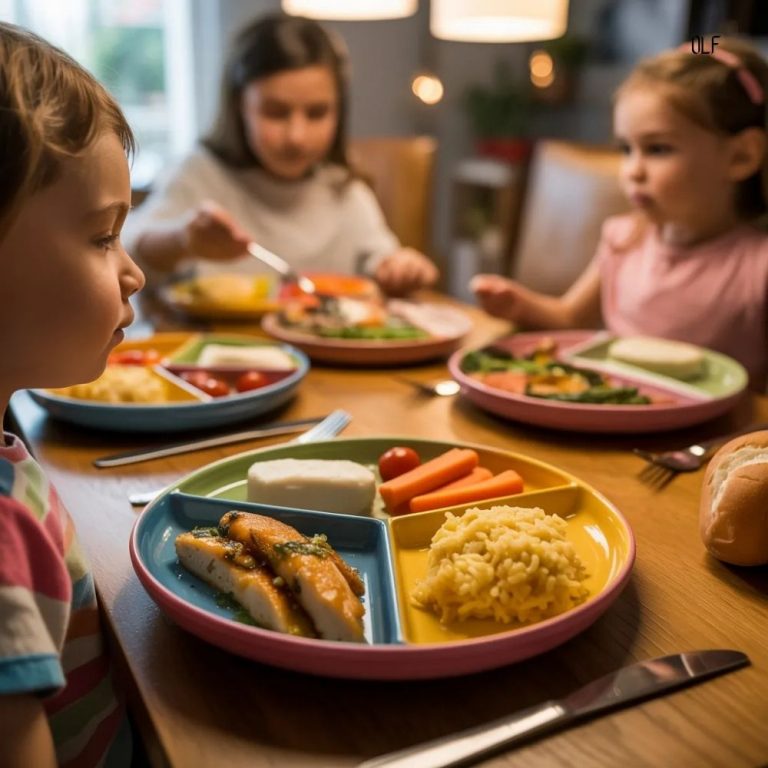
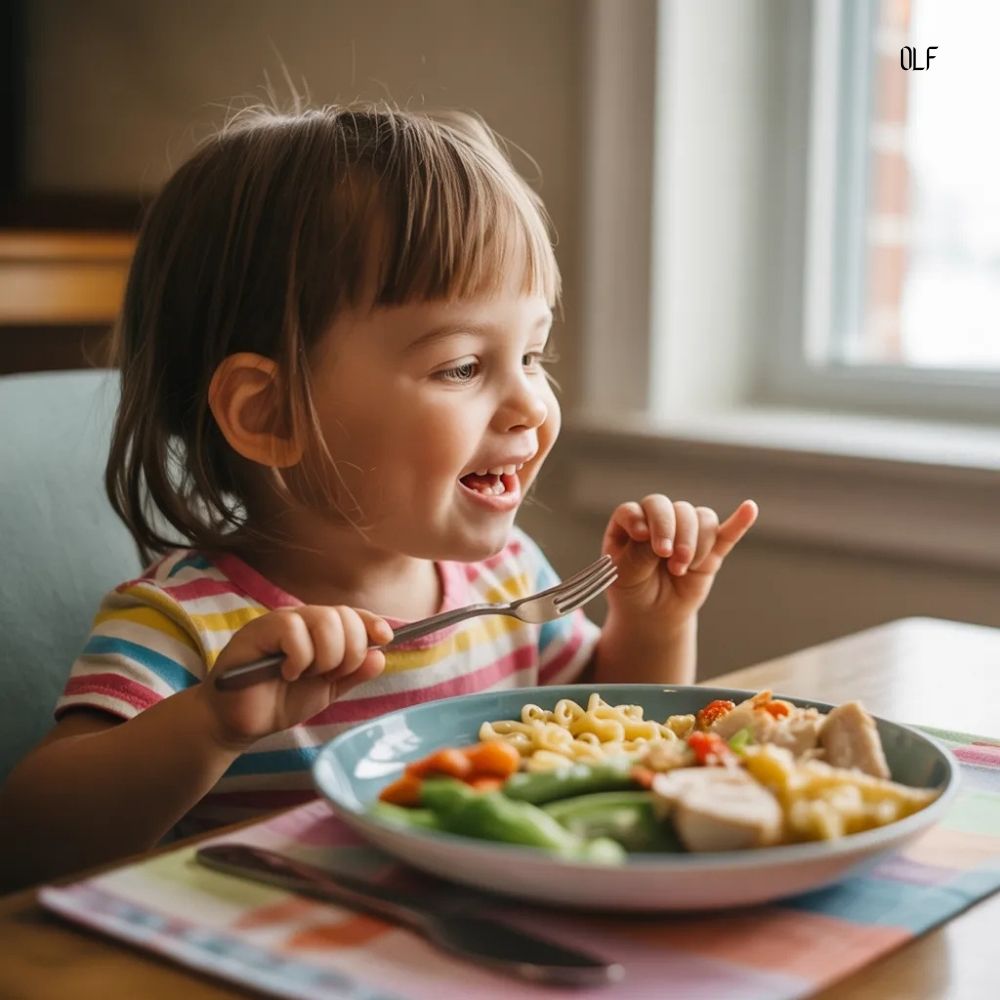
Children feel more secure when meals look predictable, even if the specific foods vary. A consistent plate pattern might include:
- A protein
- A grain or starch
- A fruit or vegetable
- One familiar item
The categories remain steady even as ingredients rotate.
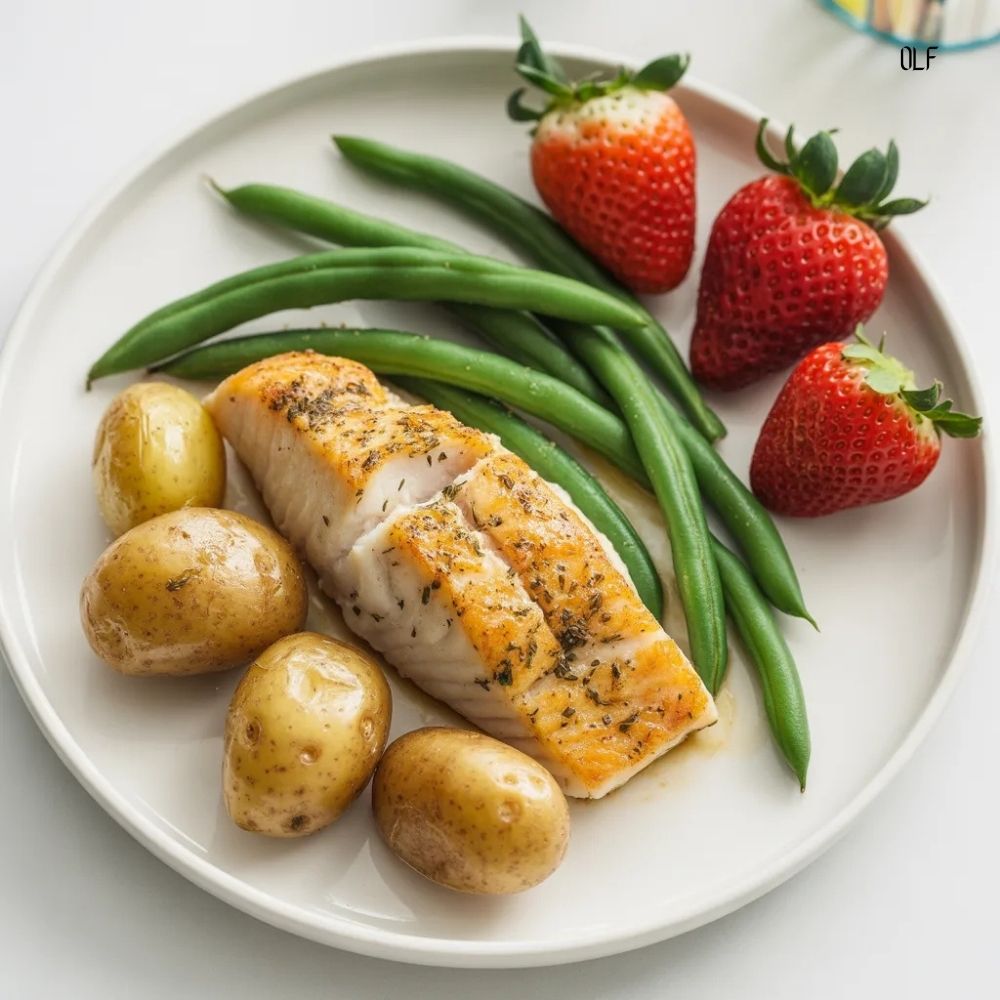
For example, one evening might include grilled chicken, rice, carrots, and sliced apples. Another evening might include baked fish, potatoes, green beans, and strawberries. The layout feels similar even though the ingredients change.
When children know the overall structure of the plate, new foods feel less threatening because they appear within a familiar pattern.
Predictability lowers resistance. If a child sees a new vegetable next to a reliable starch, they are more likely to tolerate it. The presence of something familiar regulates the experience.
Over time, repeated exposure to small variations within a stable structure supports gradual acceptance.
2. The “One New Element” Approach
Food flexibility expands more easily when only one unfamiliar element appears at a time. If every component of a meal is new, anxiety rises quickly. Children may shut down before tasting anything.
Instead, keep most of the meal familiar and rotate only one new or less familiar item. For example:
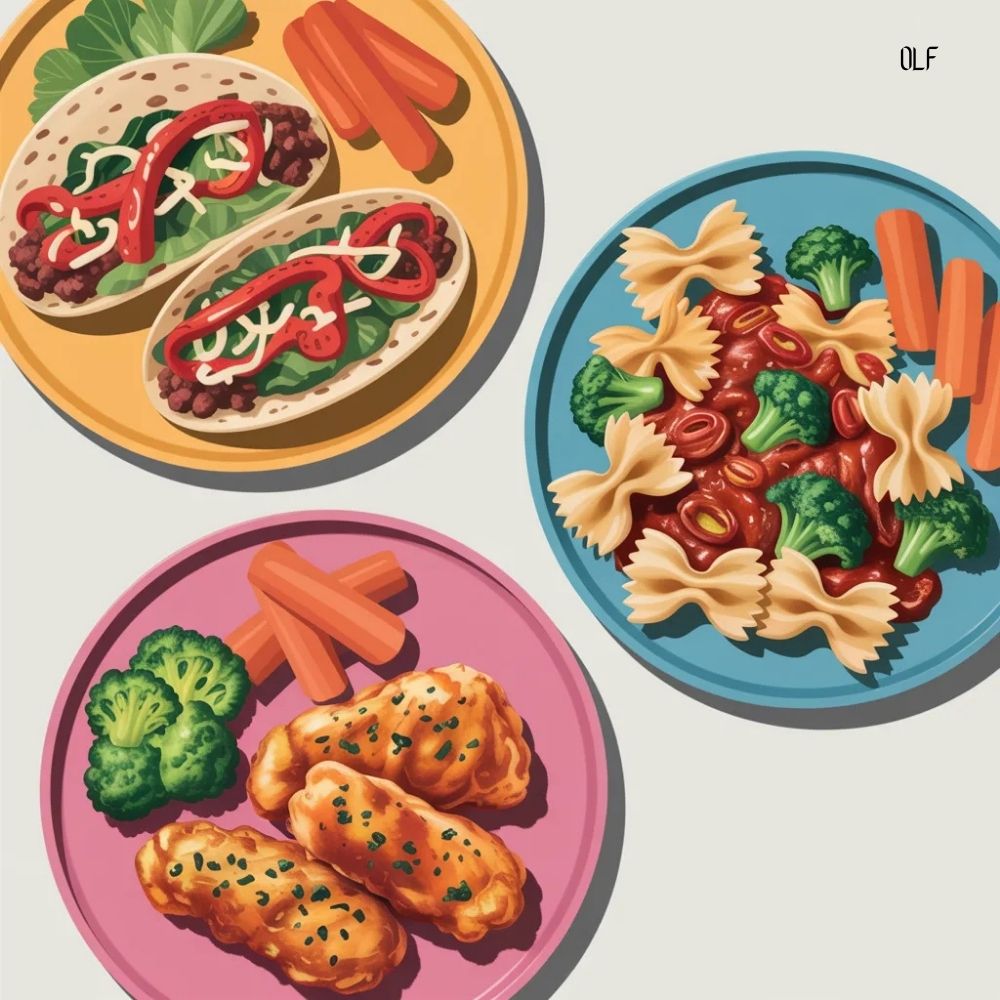
- If tacos are familiar, introduce a new topping such as roasted peppers.
- If pasta is familiar, change the shape or sauce slightly.
- If chicken is accepted, prepare it in a slightly different seasoning.
The goal is subtle variety. When only one variable changes, children can compare and adjust without feeling overwhelmed.
If the new element is ignored at first, remain neutral. Exposure counts even without tasting. Within several weeks of using this approach, parents often notice more willingness to try small bites because the surrounding foods remain predictable.
3. The Shared Serving Model
Serving meals family-style, when possible, encourages autonomy and reduces pressure. Place components in serving bowls and allow children to choose what to place on their plates. Maintain the expectation that each food is available, but allow the child to decide quantity.
When children participate in serving themselves, they feel a greater sense of control. That sense of control often reduces refusal.
For example, if roasted zucchini is new, a child may initially place only one piece on their plate. That small step matters. Avoid commenting on portion size. Avoid praising dramatically if they try it. Keep the tone steady.
The shared serving model works because autonomy supports curiosity. When children are not being monitored bite by bite, they are more likely to experiment over time.
4. The Calm Close to the Meal
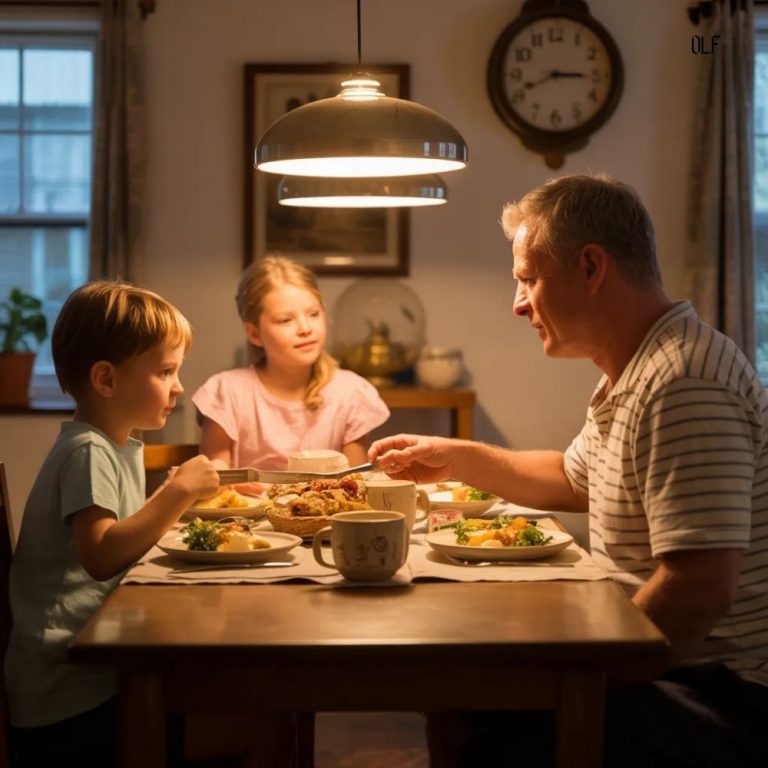
Food flexibility cannot grow if dinner remains open-ended or emotionally intense. Meals should have a predictable beginning and end. If dinner lasts indefinitely while a parent encourages additional bites, tension increases.
A calm close means that when the meal ends, it ends. No alternative meals are prepared. The next eating opportunity is the next scheduled snack or breakfast.
This structure teaches children to listen to internal hunger cues within a defined window. It also reduces the association between refusal and reward.
If a child chooses to eat only the familiar items, remain neutral. The new food will return in small portions at another meal. Gradual expansion happens through repetition, not force.
What to Expect During the First Month
Food flexibility develops slowly. In the first two weeks, you may see little visible change. That does not mean the structures are ineffective. Look for subtle shifts:
- Reduced negative comments about new foods.
- Increased tolerance of unfamiliar items on the plate.
- Occasional voluntary tasting without prompting.
- Shorter mealtime resistance.
Track variety over several months rather than days. A new accepted vegetable every few weeks represents steady growth.
Why Structure Works Better Than Pressure
Pressure increases emotional intensity. Emotional intensity narrows willingness. Structure lowers intensity. Lower intensity allows curiosity.
Children are naturally cautious eaters during certain developmental stages. This caution is not a failure. It is part of growth.
When meals feel predictable, children can explore at their own pace. Consistency communicates safety. Safety allows experimentation.
A Realistic Example of All Four Structures Together
Imagine a family dinner that includes:
- Grilled chicken
- Rice
- Roasted broccoli
- Sliced pears
The plate pattern is consistent. Rice serves as the familiar item. Only the broccoli seasoning is slightly new this week. The meal is served family-style. Dinner lasts twenty minutes and closes calmly.
The child eats rice and chicken. They ignore the broccoli on Monday. On Wednesday, they touch it. On Friday, they take a small bite.
No one commented heavily. No alternatives were provided. Within a month, broccoli joins the list of accepted foods. The expansion did not come from pressure. It came from repetition within structure.
Measuring Gradual Expansion of Variety
You can observe progress by noting:
- The number of tolerated vegetables on the plate.
- Willingness to try small bites.
- Reduced mealtime conflict.
- Fewer requests for separate meals.
Variety expands gradually. Expect slow but steady movement. If a child moves from rejecting all vegetables to accepting three or four consistently over several months, the structure is working.
Steady Patterns Lead to Sustainable Growth
Food flexibility does not require constant creativity or negotiation. It requires repeatable patterns.
When these structures remain steady, variety expands gradually and naturally. And over time, the dinner table shifts from a place of tension to a place of quiet growth.