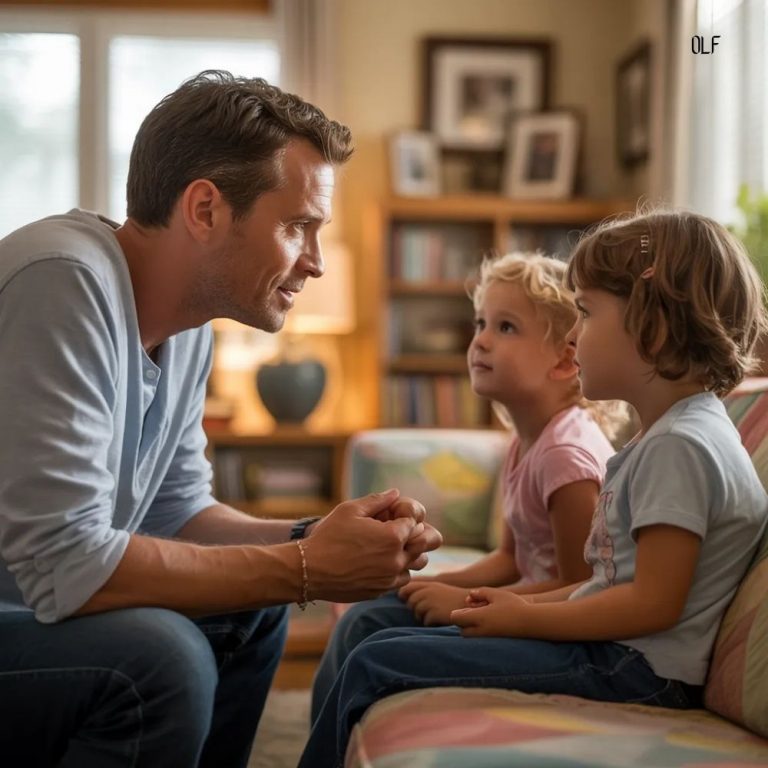
Sibling conflict is not a sign that something is wrong in your home. It is a sign that two people in the process of developing are learning to share space, attention, and resources. Disagreement is normal. What determines the tone of the household is not whether conflict happens, but how it is handled.
Many parents find themselves acting as full-time referees. They hear raised voices, rush in, gather details, assign blame, and impose a solution. The argument may stop temporarily, but the pattern repeats later. Children begin expecting adult intervention rather than practicing resolution themselves.
When parents consistently solve conflicts for their children, siblings do not build the internal skills required to negotiate, compromise, or repair.
Encouraging sibling problem-solving does not mean ignoring conflict. It means shifting from judge to guide. The four approaches below create a structure where children learn to manage disagreements more independently.
The outcome is measurable. Fewer escalations that require adult intervention. Shorter arguments. More peer-led solutions.
1. Teach a Clear Conflict Script Before It Is Needed
Children often argue because they do not have language available during frustration. When emotions rise, the brain defaults to grabbing, yelling, or blaming. A simple, repeatable script gives them something to reach for. You might teach:
- “I don’t like that.”
- “I’m still using this.”
- “Can I have a turn when you’re done?”
Practice these phrases during calm moments. Role-play briefly at dinner or during playtime. Keep it light and short.
When conflict arises later, instead of immediately solving it, prompt: “Use your words.” If needed, remind them of the script: “Try saying, ‘Can I have a turn when you’re finished?’”
The goal is not perfect execution. It is repeated exposure. Over time, children begin using these phrases independently because they have rehearsed them in advance.
2. Pause Before Stepping In
Parents often intervene at the first sign of raised voices. While safety should always be protected, not every disagreement requires immediate adult correction.
If the conflict is verbal and not escalating physically, pause briefly. Listen without entering. This short delay communicates trust in their ability to attempt resolution.
If the argument intensifies, step in calmly with structure rather than blame. For example: “I hear both of you. Let’s slow this down.”
Avoid asking, “Who started it?” That question shifts the focus to fault rather than solution. Instead, ask: “What is the problem right now?”
By redirecting attention to the issue rather than the offender, you teach constructive problem framing. With practice, many conflicts resolve before you intervene because children sense that adult rescue is not automatic.
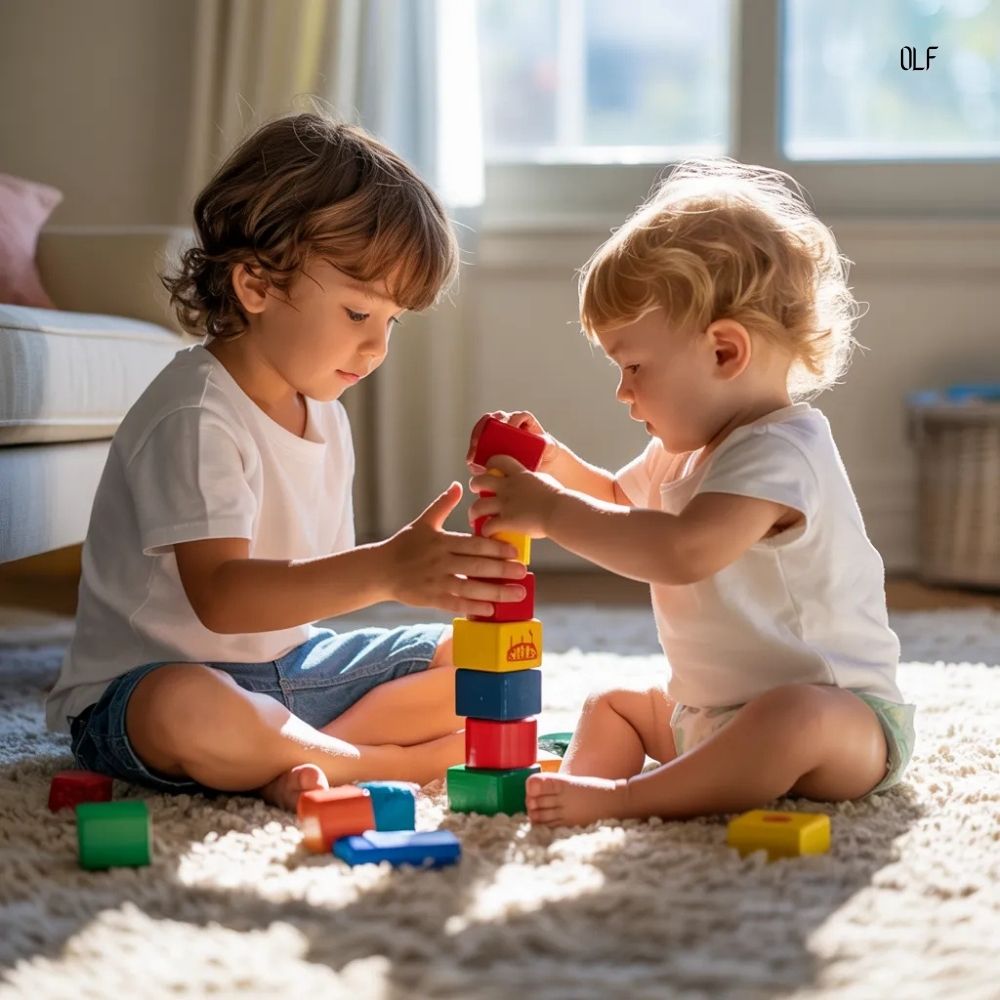
3. Shift From Judging to Coaching
When intervention is necessary, move from referee to coach. Instead of deciding who is right, guide them toward generating solutions. For example: “It sounds like you both want the same toy. What are two ways we could solve this?”
If they struggle, offer limited suggestions: “You could take turns, or you could play together.” Allow them to choose.
This approach builds decision-making and compromise skills. It also reduces repeated reliance on adult arbitration.
Keep your tone neutral. Avoid sarcasm or frustration. Coaching requires steadiness. Over several weeks, you may notice siblings beginning to propose solutions before you prompt them.
4. Practice Repair After Conflict
Even when conflicts are resolved, emotional residue may remain. Teaching repair strengthens relationship resilience.
After the argument cools, encourage brief repair language: “Is there anything you want to say before we move on?”
Children may say, “Sorry,” but encourage more specific repair when appropriate: “I’m sorry I grabbed it.”
Repair builds accountability without shame. You can also reflect: “You worked that out.” Acknowledgment reinforces skill use. Over time, siblings become more capable of bouncing back after disagreement rather than holding onto resentment.
What to Expect in the First Month
When shifting from referee to guide, conflicts may temporarily feel louder. Children accustomed to adult solutions may push harder at first.
Stay consistent. Avoid stepping in too quickly. Use prompts rather than pronouncements. Within several weeks, parents often observe:
- Shorter conflict duration.
- More use of practiced phrases.
- Increased turn-taking without adult instruction.
- Reduced emotional intensity after disagreements.
Track how often you physically separate siblings. If that frequency decreases over time, problem-solving skills are strengthening.
Setting Clear Safety Boundaries
Encouraging problem-solving does not mean tolerating aggression. If physical harm occurs, step in immediately: “We do not hit.”
Separate briefly if needed. Once calm returns, return to coaching and repair. Clear safety boundaries protect the environment in which problem-solving can grow.
The Long-Term Skill Being Built
Sibling conflict provides daily practice in negotiation, empathy, and compromise. When parents consistently guide rather than judge, children learn that disagreements are solvable rather than catastrophic.
They develop language for expressing needs. They experience the consequences of impulsive reactions. They practice repair.
These skills extend beyond the home. Children who learn to resolve sibling conflict calmly are better equipped for peer relationships, classroom collaboration, and future teamwork.
A Household With Less Refereeing
Refereeing requires constant adult energy. Coaching requires structure and patience but pays long-term dividends.
With repetition, siblings begin handling small disputes independently. The goal is not eliminating conflict. It is building competence.
And as competence grows, the need for constant adult arbitration gradually decreases, allowing parents to step back from referee mode and into a steadier guiding role.