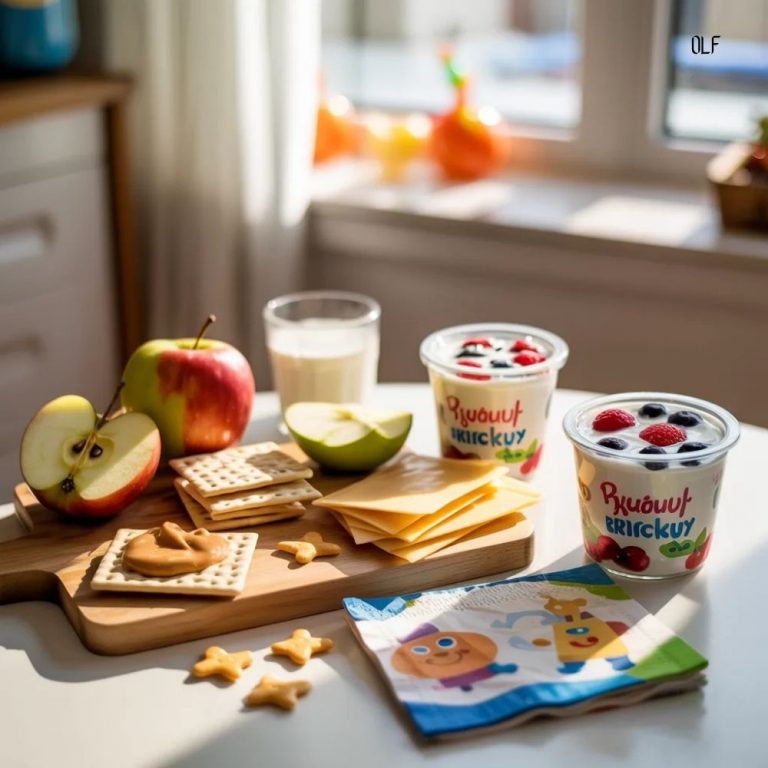
Snacks often become one of the most negotiated parts of the day. A child says they are hungry thirty minutes after lunch. Another asks for food every time boredom appears.
By late afternoon, energy crashes and irritability rise. Parents feel caught between limiting constant requests and preventing genuine hunger. The issue is rarely appetite alone. It is structure.
When snack timing and composition are inconsistent, children struggle to interpret hunger cues accurately. Some graze all afternoon and arrive at dinner without appetite. Others wait too long and become irritable before eating.
Steady energy does not require constant access to food. It requires predictable snack routines built around balanced components.
The three routines below combine structure and nourishment. Each one includes a practical recipe and clear timing guidance. The outcome is measurable: fewer snack negotiations, steadier mood, and improved appetite at meals.
Routine One: The Predictable Mid-Morning Reset
Mid-morning is a common energy dip, especially for school-aged children. If breakfast was early, blood sugar may begin dropping by mid-morning, which affects focus and mood.
Instead of responding reactively to hunger complaints, schedule a predictable mid-morning snack window at roughly the same time each day when possible.
The structure is simple: snack is offered once between breakfast and lunch, not continuously. When children know that a snack happens at a predictable time, repeated requests decrease.
What Makes This Snack Effective
A balanced snack should include:
- Protein or healthy fat
- Fiber-rich carbohydrate
This combination slows digestion and prevents rapid energy spikes and crashes.
Recipe: Apple Peanut Butter Energy Bites
Ingredients
- 1 cup rolled oats
- ½ cup natural peanut butter
- 1 tablespoon honey
- ¼ teaspoon cinnamon
- 2 tablespoons finely chopped apple
Mix all ingredients in a bowl. Roll into small bite-sized balls and refrigerate for 20 minutes before serving. One or two bites paired with water provide sustained energy without heaviness.
Over several weeks of consistent timing, parents often notice improved focus through late morning and fewer requests for additional snacks.

Routine Two: The After-School Recovery Window
The hours between school and dinner often produce the most hunger-related conflict. Children arrive home depleted from social interaction and cognitive effort. If no structured snack is available, irritability rises quickly.
Instead of allowing grazing throughout the afternoon, create a defined recovery snack window within 20–30 minutes of arriving home.
State clearly: “Snack time is now.” After the snack is finished, the kitchen closes until dinner. This boundary protects appetite for the evening meal while preventing constant requests.
What Makes This Snack Effective
After-school snacks should include:
- Protein
- Complex carbohydrate
- Hydration
Avoid high-sugar items alone, which can spike and crash energy before dinner.
Recipe: Yogurt Berry Fuel Bowl
Ingredients
- ½ cup plain or lightly sweetened Greek yogurt
- ¼ cup fresh berries
- 1 tablespoon granola
- 1 teaspoon chia seeds
Combine ingredients in a bowl. This provides protein, fiber, and steady fuel. Within two to three weeks of implementing this routine, many families report fewer “I’m starving” complaints before dinner and smoother evening transitions.

Routine Three: The Weekend Snack Rhythm
Weekends often lack structure, which leads to frequent snack requests driven by boredom rather than hunger.
Instead of allowing open access all day, maintain two predictable snack times even on non-school days. For example:
- Mid-morning snack
- Mid-afternoon snack
Between those times, the kitchen remains closed unless there is a true hunger signal. Children adapt quickly when expectations are clear.
What Makes This Snack Effective
Weekend snacks can involve simple preparation that encourages independence.
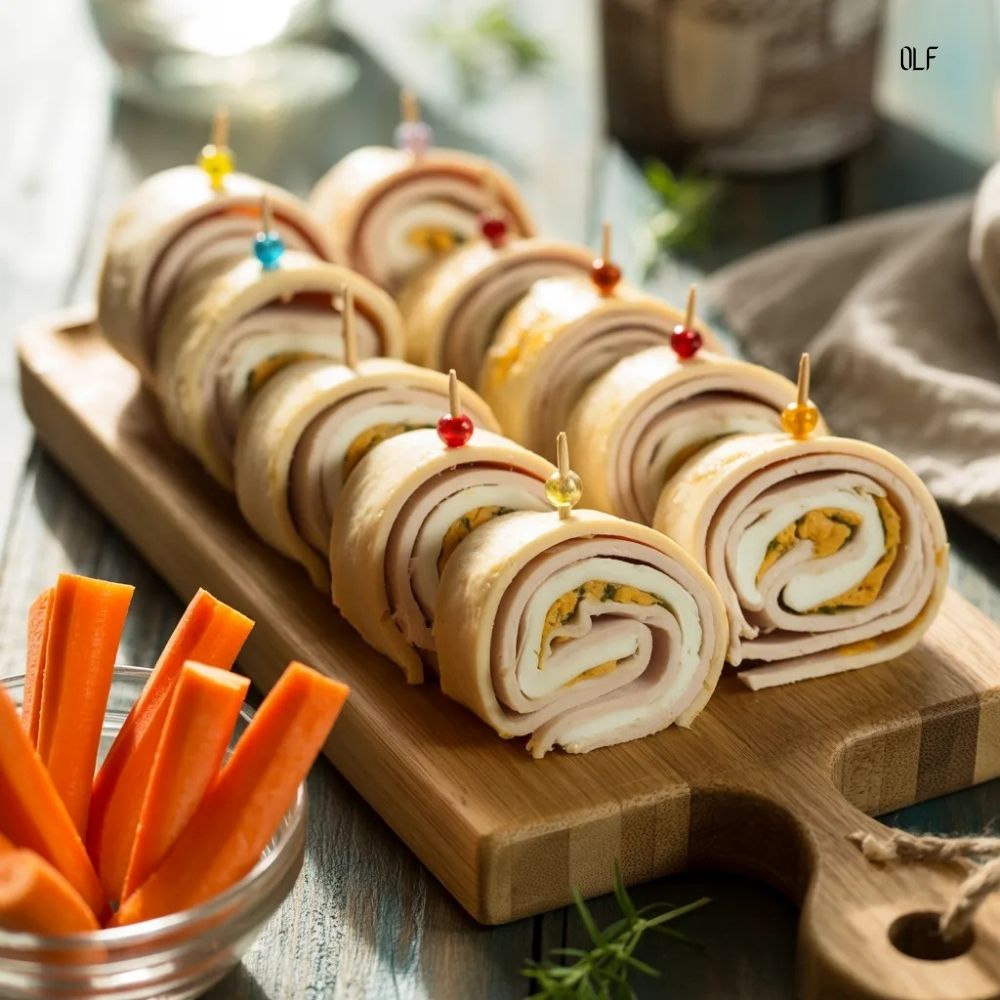
Recipe: Turkey and Cheese Roll-Ups With Carrot Sticks
Ingredients
- 2 slices turkey
- 1 slice cheese
- ½ cup carrot sticks
Roll turkey and cheese together and slice into small pieces. Serve with carrots and water. This snack provides protein and crunch without excess sugar, supporting steady weekend energy.
Over time, structured weekend snack timing reduces constant grazing and supports better hunger awareness.
Why Timing Matters as Much as Ingredients
Energy stability depends not only on what children eat, but when they eat. Predictable snack windows help children recognize natural hunger cycles.
When snacks are offered randomly or in response to every complaint, internal cues become less reliable. Consistency teaches rhythm. Rhythm reduces negotiation.
What to Expect During the First Two Weeks
When transitioning from open grazing to structured snack windows, children may test the new boundaries.
They may ask for additional food shortly after snack time. Respond calmly: “The next snack is at 3:30.”
Avoid lengthy explanations. Consistency builds trust. Within several weeks, most families observe:
- Reduced snack-related arguments
- Better appetite at dinner
- Fewer mood swings between meals
- Increased independence in preparing simple snacks
Track how often snack requests occur outside designated windows. A decrease indicates progress.
Supporting Hunger Awareness
If a child consistently finishes snacks quickly and requests more, evaluate portion size first. Growth spurts may require slightly larger servings.
If snacking appears boredom-driven, redirect to activity rather than additional food. Structure works best when paired with responsiveness.
Steady Energy Through Steady Structure
Snacks do not need to be eliminated or restricted harshly to reduce conflict. They need timing, balance, and predictability.
Paired with balanced recipes, these routines create steady energy and fewer hunger battles. When snack structure becomes predictable, mood stabilizes, negotiation decreases, and mealtimes regain their calm rhythm.