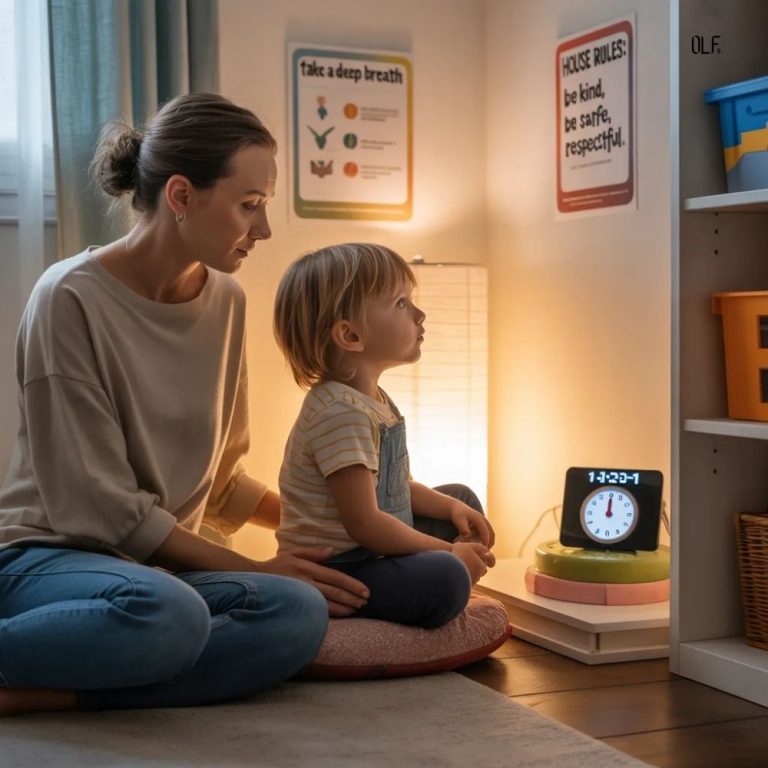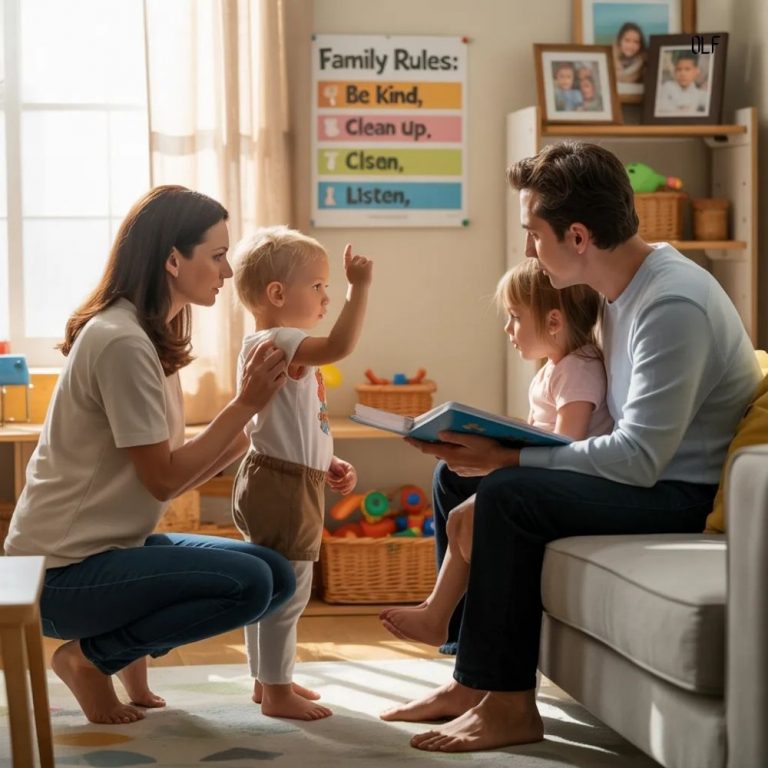
For many families, the most fragile part of the day begins not at bedtime, but at the moment children walk through the door after school. They arrive carrying cognitive fatigue, social tension, unfinished thoughts, and physical hunger.
Parents, at the same time, are often shifting from work demands into home responsibilities. Without a clear transition structure, this stretch of the day easily turns reactive. Small frustrations escalate quickly. Homework drifts later. Dinner begins under tension.
The solution is not stricter discipline or more reminders. The solution is intentional rhythm.
Children move from a highly structured school environment into a less defined home setting. If the transition between those two environments is unclear, behavior often becomes disorganized. When the transition is predictable and steady, the nervous system settles more quickly.
The three habits below are not complicated. They are consistent transition anchors. When practiced daily, they protect the emotional tone of the entire evening.
The outcome is measurable. Homework begins earlier. Fewer arguments occur before dinner. Bedtime feels less rushed.
Habit One: Establish a Predictable Arrival Transition That Signals Safety and Reset
The first ten minutes after school set the tone for the next three hours. Many parents unintentionally overload this moment by asking detailed questions, issuing reminders, or correcting behavior immediately.
Although well-intended, this adds demand at a time when a child’s mental energy is already depleted. Instead, create a predictable arrival transition that signals safety and reset.
This transition should follow the same order each day. For example, shoes are placed in one designated spot, backpacks are emptied into a specific area, hands are washed, and water is poured. The sequence remains unchanged regardless of mood.
The purpose of this ritual is not productivity. It is regulation. Children need a consistent physical reset that separates school from home.
After this short routine, provide a defined decompression window of approximately fifteen to twenty minutes. During this time, children may read, build, draw, or engage in quiet play. The activity should be calming rather than stimulating.
Avoid beginning homework or discussing responsibilities during this window. Avoid correction unless safety requires it. You might say calmly, “Take a few minutes to settle in, and then we will have snack.”
When children know that recovery time is predictable, emotional spikes decrease significantly during the first hour at home.
The measurable shift becomes visible when the arrival tone softens and immediate arguments decline within several weeks.

Habit Two: Anchor the Afternoon With a Structured Refuel and Connection Window
Hunger and emotional fatigue often blend together. What appears to be defiance is frequently low energy. When children graze randomly or are told to wait indefinitely for dinner, irritability increases.
Instead of open access to snacks, create a defined refuel window shortly after the decompression period ends. Offer a balanced snack that includes protein and fiber so that energy stabilizes rather than spikes.
For example, yogurt with fruit and granola, cheese with whole-grain crackers, or hummus with vegetables provide sustained fuel.
Serve the snack at a consistent location, preferably seated at the table. This is not a rushed handoff of food while a child runs past. It is a short pause that combines nourishment and connection.
Rather than broad questions such as “How was school?” which often lead to brief answers, use focused prompts that guide reflection without pressure. You might ask, “What was one part of your day that felt easy?” or “What was something that felt challenging?”
Keep the conversation brief and neutral. The goal is not analysis. The goal is emotional acknowledgment.
Once snack time ends, close the kitchen until dinner. This boundary protects appetite and reduces repeated requests for food throughout the afternoon.
Within two to three weeks, many families notice fewer hunger-driven mood swings and a steadier tone leading into homework time. The measurable indicator is a decrease in snack negotiations and less irritability before dinner.

Habit Three: Introduce a Defined Focus Block Before Extended Free Time
One of the primary reasons evenings feel rushed is that homework or responsibilities remain undefined until later. When children assume the entire afternoon is free time, transitioning into work feels abrupt and unfair.
Instead, establish a clearly defined focus block that begins at the same time each day. For example, you might state, “At four o’clock, we begin our focus block.”
This block can include homework, reading practice, instrument rehearsal, or a simple household responsibility depending on age. The important element is that it begins predictably and lasts a defined amount of time, typically twenty to thirty minutes.
During this block, remove distractions and narrow attention to one task at a time. If the work requires longer attention, schedule a short movement break before beginning a second block rather than extending indefinitely.
Avoid repeated reminders. When the designated time arrives, say calmly, “It is time to begin.” If resistance appears, remain steady and neutral. Avoid entering into long negotiations. The power of this habit lies in its predictability, not in persuasive arguments.
Over time, children begin anticipating the focus block. They mentally prepare for it because it no longer feels sudden.
The measurable shift becomes evident when homework consistently starts on time and finishes earlier in the evening, reducing dinner-time pressure.

Why This Framework Protects the Entire Evening
Evening chaos often originates from transition confusion rather than behavioral intent. When children are not given space to reset, refuel, and re-engage in a structured way, their behavior reflects overload.
The arrival ritual supports nervous system regulation. The refuel window stabilizes energy and strengthens connection. The focus block creates productive momentum before fatigue deepens. When these three phases occur in sequence, the afternoon flows rather than fragments.
What to Expect During the First Few Weeks
If afternoons have previously been unstructured or reactive, children may initially resist the new rhythm. They may ask for additional snack times or delay beginning the focus block.
Respond with calm repetition rather than escalation. If a child protests, you might say, “Snack time is finished. Dinner is later,” or “Focus block begins at four.”
Within several weeks, the emotional tone of late afternoon typically shifts. Parents report fewer arguments before dinner, more consistent homework completion, and a smoother path into evening activities.
Track two indicators: the number of reminders required to start homework and the frequency of pre-dinner meltdowns. A steady decrease in both signals progress.
The Long-Term Skill Being Built
These habits build internal rhythm. Children learn that transitions follow predictable patterns. They experience how recovery supports productivity. They begin managing energy more effectively because the structure models it daily.
As children mature, they internalize the sequence. They may begin unloading backpacks without prompting or preparing for the focus block independently.
When that shift occurs, evening calm no longer depends entirely on parental management. It becomes part of the household culture.