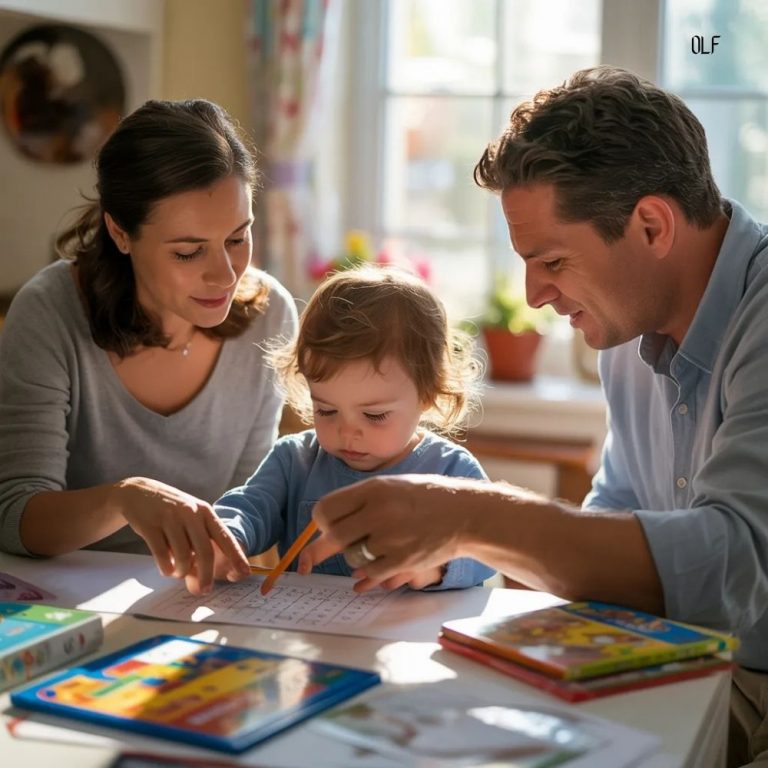
Independence does not develop through occasional big responsibilities. It grows through repeated, ordinary tasks that children manage consistently.
Many parents want their children to become capable and responsible, yet they often step in quickly because it feels faster or easier in the moment. Over time, this pattern unintentionally delays skill development.
Real independence forms when children practice manageable responsibilities daily, not when they are assigned sudden, high-stakes duties. Small tasks, completed repeatedly, build confidence, executive function, and self-trust.
The five everyday tasks below are not dramatic. They are practical. Each one strengthens a specific developmental skill, and each produces measurable self-sufficiency when practiced consistently.
1. Managing Personal Morning Readiness
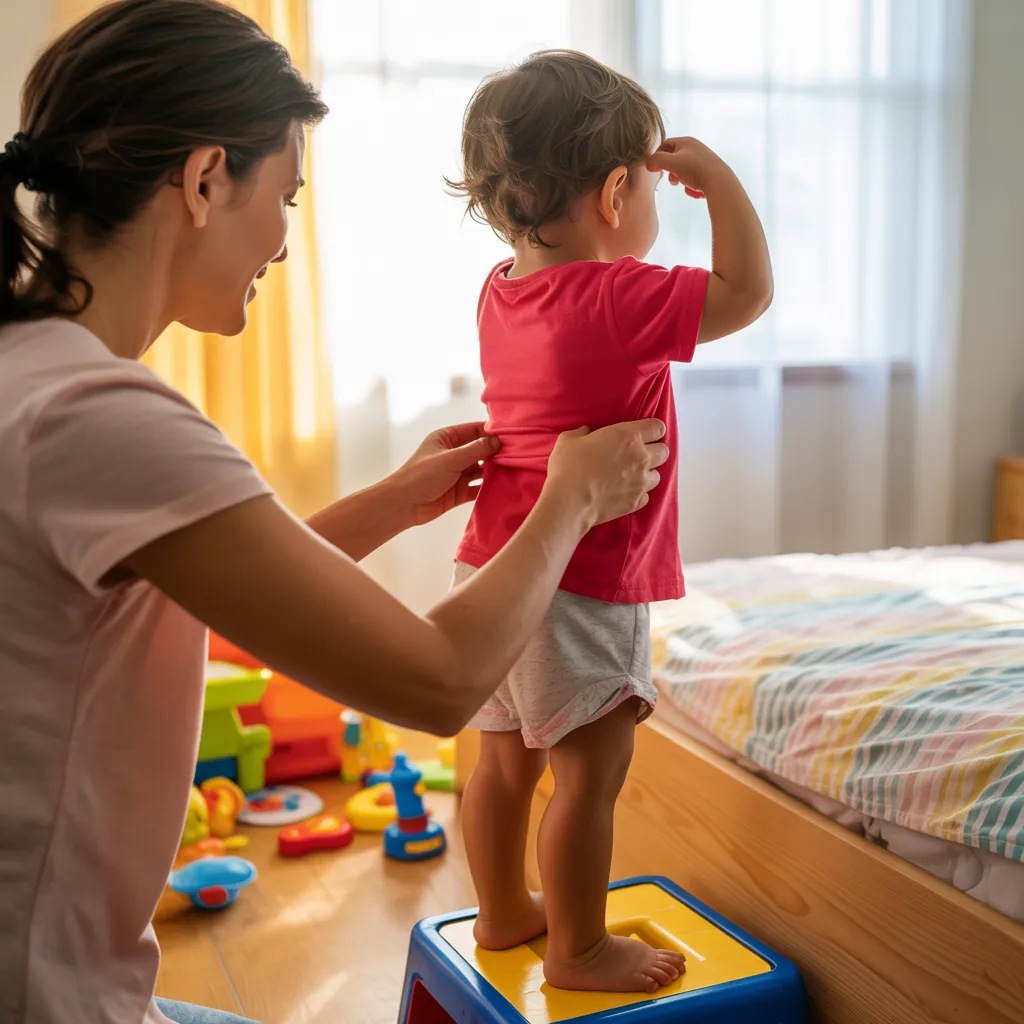
Getting ready in the morning is one of the most powerful independence builders available. It includes dressing, brushing teeth, packing a backpack, and preparing shoes or jackets without constant prompting.
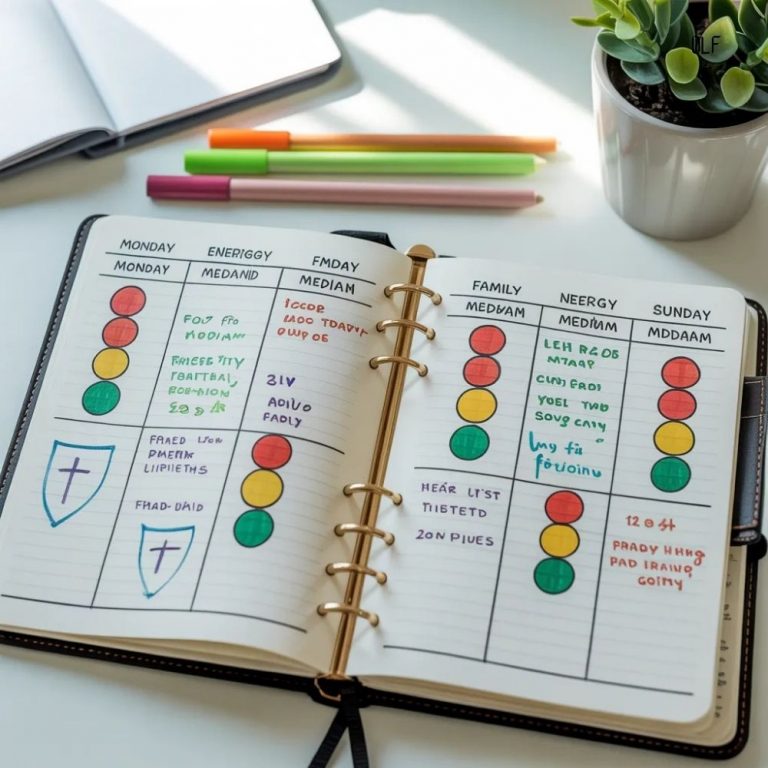
Rather than issuing repeated reminders, create a visible checklist posted at the child’s eye level. Review it together once, then shift from reminding to asking: “What’s next on your list?”
If something is forgotten, allow mild natural consequences when appropriate, such as needing to return home for a missing item if possible or handling the discomfort of forgetting once. The goal is not punishment, but learning.
Within several weeks of consistent practice, many parents observe reduced morning reminders and increased task sequencing.
The measurable outcome is fewer prompts needed each morning and faster readiness without adult management.
2. Preparing One Part of a Meal
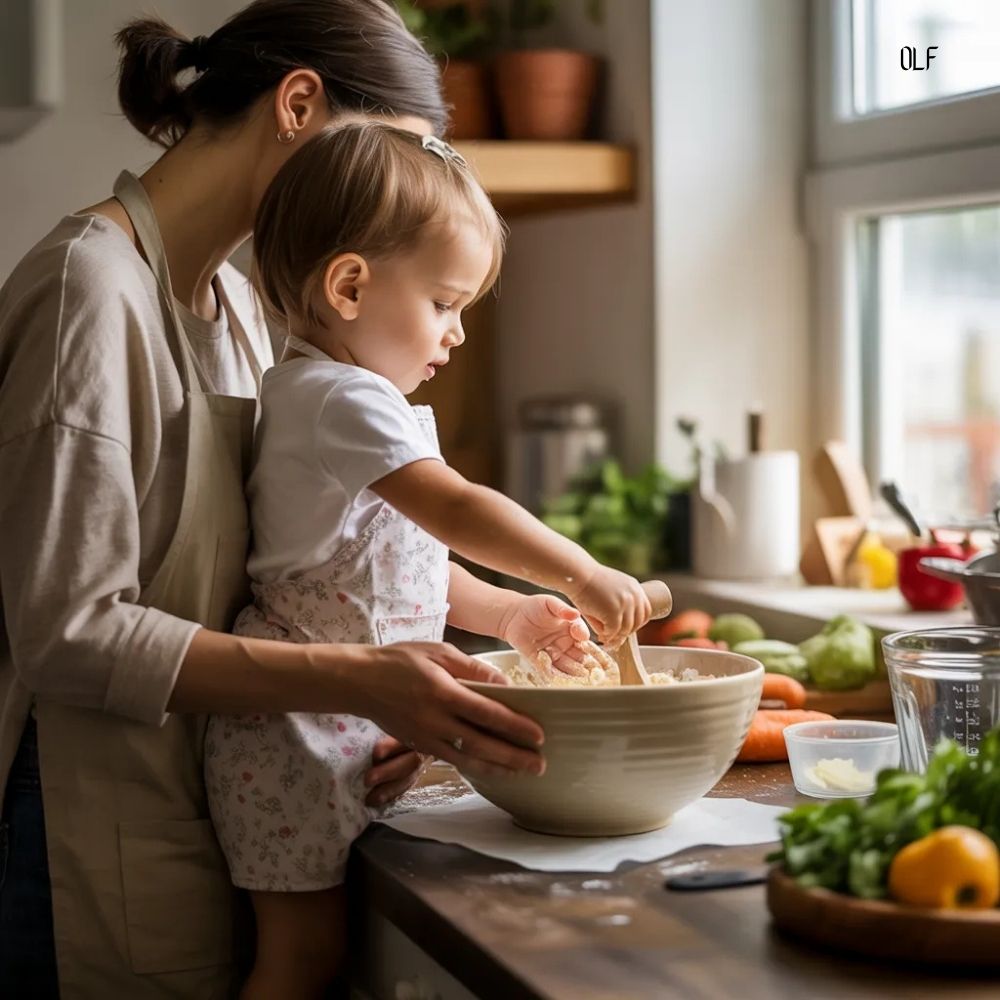
Food preparation builds practical competence and confidence. Even young children can wash produce, spread butter, portion snacks, or assemble simple sandwiches. Older children can measure ingredients, scramble eggs, or heat leftovers under supervision.
Assign one consistent responsibility connected to meals. For example, a child may be responsible for washing fruit every evening or preparing their own school snack.
Instead of correcting every imperfection, focus on completion. If a child spreads peanut butter unevenly, resist redoing it. Allow them to experience ownership.
After several months, the measurable shift appears in reduced dependency during meal preparation and increased willingness to handle simple food tasks independently.
This task also strengthens sequencing, safety awareness, and responsibility for personal nourishment.
3. Maintaining a Personal Belongings Zone
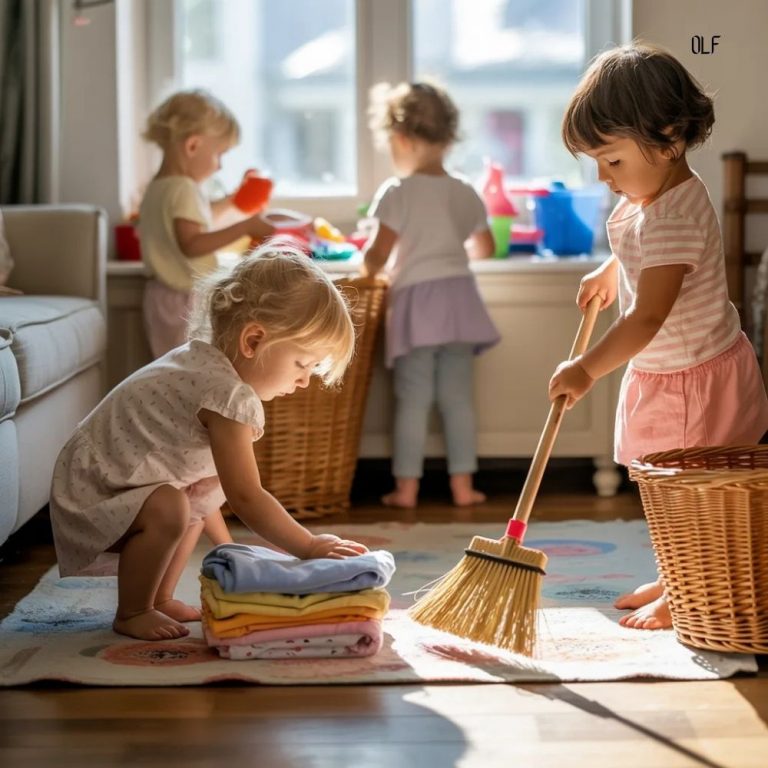
Clutter often reflects unclear ownership. Children benefit from having a defined personal zone, such as a backpack station, shoe shelf, or bedroom corner that they maintain daily.
The task is not cleaning the entire room at once. It is maintaining one consistent area. For example: “Every evening before dinner, check your backpack and put everything back in its place.”
Keep the instruction specific and tied to a time of day. If belongings are left scattered, guide rather than rescue: “Your zone needs resetting.”
Over time, this small daily maintenance reduces lost items and builds organizational habits. The measurable outcome is fewer misplaced belongings and less parental retrieval effort.
4. Managing a Simple Weekly Responsibility
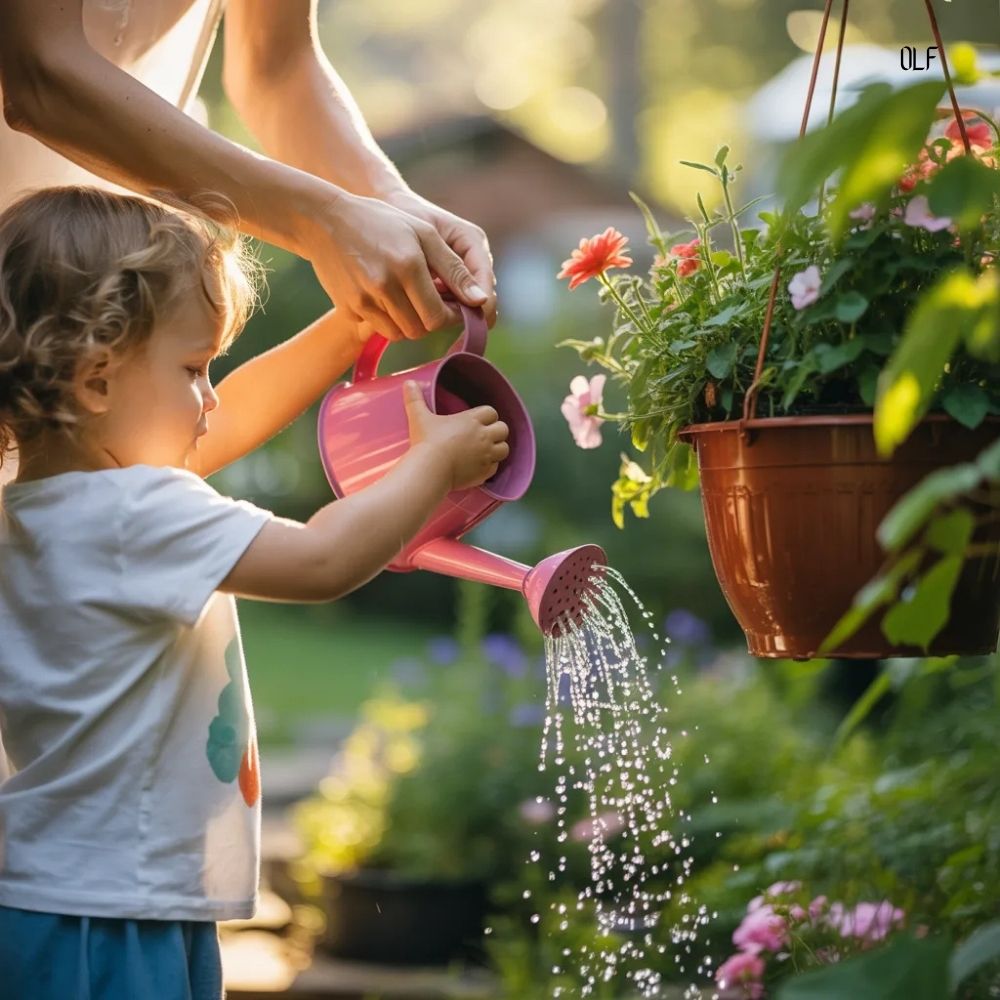
A weekly responsibility builds follow-through across time. This could include taking out the trash every Wednesday, watering plants on Saturday morning, or sorting laundry on Sunday afternoon.
The key is consistency and clarity. State the expectation plainly: “You are responsible for watering the plants every Saturday.”
Avoid constant reminders. Instead, conduct a predictable weekly check-in: “Have the plants been watered yet?”
If the task is forgotten, guide completion calmly rather than completing it yourself. Within several weeks, children begin anticipating the task independently. The measurable shift is reduced adult prompting and increased reliability.
5. Handling Minor Problem-Solving Independently
Independence is not only about physical tasks. It includes handling small social or logistical problems without immediate adult rescue.
If a child forgets homework at school, guide reflection rather than contacting the teacher immediately. Ask: “What could you do tomorrow to fix this?”
If a toy breaks, involve them in assessing whether it can be repaired rather than replacing it instantly. Encourage statements like:
- “I’ll try again.”
- “I can ask for help.”
- “I’ll fix it.”
Repeated exposure to manageable problem-solving builds resilience. The measurable outcome appears when children begin proposing solutions before asking for rescue.
What to Expect During the First Month
When shifting responsibility gradually, children may resist initially. They may claim tasks are too hard or forget steps. Stay steady. Avoid taking over when frustration appears. Offer guidance, not replacement effort. Within several weeks, families often notice:
- Fewer daily reminders.
- Greater initiative in small tasks.
- Increased confidence in completing responsibilities.
- Reduced frustration when facing minor setbacks.
Track the number of prompts required per task. If prompts decrease over time, independence is strengthening.
Why Everyday Tasks Matter More Than Occasional Big Duties
Large responsibilities, such as organizing a major event or managing a big project, are important but infrequent. Everyday tasks create repetition. Repetition builds neural pathways.
When children repeatedly complete manageable responsibilities, they internalize the belief that they are capable contributors rather than passive participants.
This internal shift is critical. Independence is not simply the ability to perform a task. It is the belief that one can.
Small Responsibilities Create Capable Children
Independence grows quietly through daily practice. None of these tasks require dramatic change. They require consistency. When parents step back gradually and allow manageable effort, children step forward.
Over time, the shift becomes visible. Fewer reminders. Greater initiative. Stronger follow-through. Real independence is not sudden. It is built, one everyday task at a time.