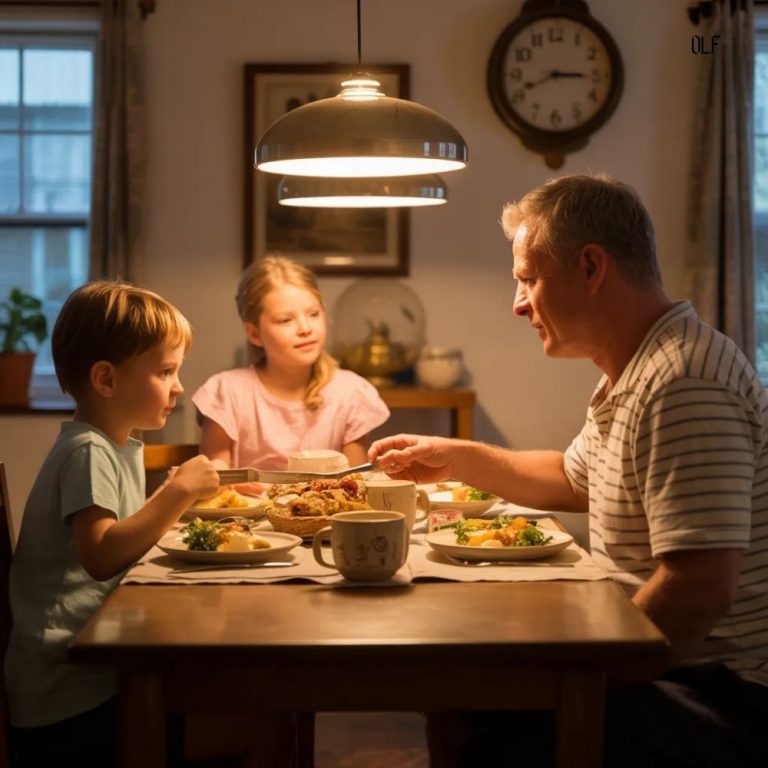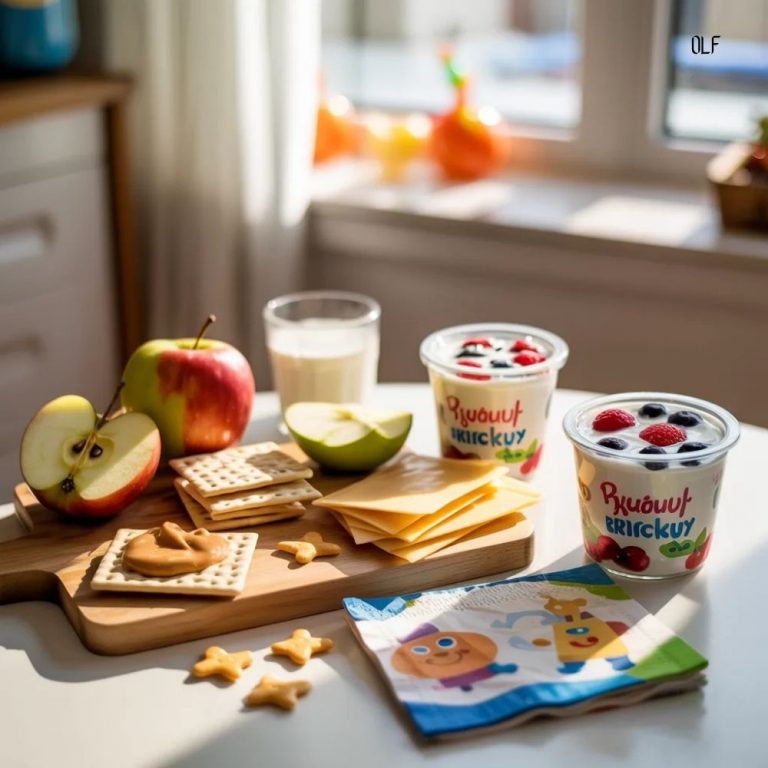
Dessert becomes dramatic when it is unpredictable, overvalued, or tied to performance. In many homes, it turns into a reward for finishing dinner, a bargaining chip for good behavior, or a rare treat that carries emotional weight.
When something feels scarce or conditional, attention increases. Children rush meals, negotiate bites, or fixate on what is coming next. A balanced approach does not require eliminating dessert. It requires structure.
When dessert is placed within a predictable system, its emotional charge decreases. Children learn that sweets are part of life, not prizes to chase or secrets to hoard. Over time, intensity fades and moderation becomes easier.
The five strategies below keep dessert included without creating obsession or daily conflict. Each one supports a calmer food environment and a healthier long-term food relationship.
1. Decide Dessert Frequency in Advance
Uncertainty fuels negotiation. If children do not know when dessert will appear, they ask repeatedly. If it appears randomly, they monitor every meal for hints.
Choose a predictable pattern instead. For example, dessert may be served twice a week after dinner, or included on Friday evenings and Sunday afternoons. State it clearly: “Dessert is part of dinner on Friday and Sunday.”
When dessert has a defined place in the week, questions decrease. If a child asks for dessert on Tuesday, the response remains steady: “Dessert is on Friday.” No further explanation is needed.
The measurable result is fewer daily requests for sweets and reduced bargaining at meals.
2. Serve Dessert Alongside the Meal Occasionally
One of the simplest ways to reduce fixation is to occasionally serve dessert at the same time as dinner rather than after it.
For example, if the meal includes grilled chicken, rice, and vegetables, a small cookie or brownie square can be placed on the plate from the start. This placement removes the sense that dessert must be earned.
Children may eat the dessert first. That is acceptable. Avoid commenting. Over time, novelty decreases, and many children begin distributing bites naturally.
Serving dessert alongside dinner occasionally communicates neutrality. All foods can coexist without hierarchy. The measurable shift appears when children stop rushing through dinner to access sweets.
3. Keep Portions Consistent and Predictable
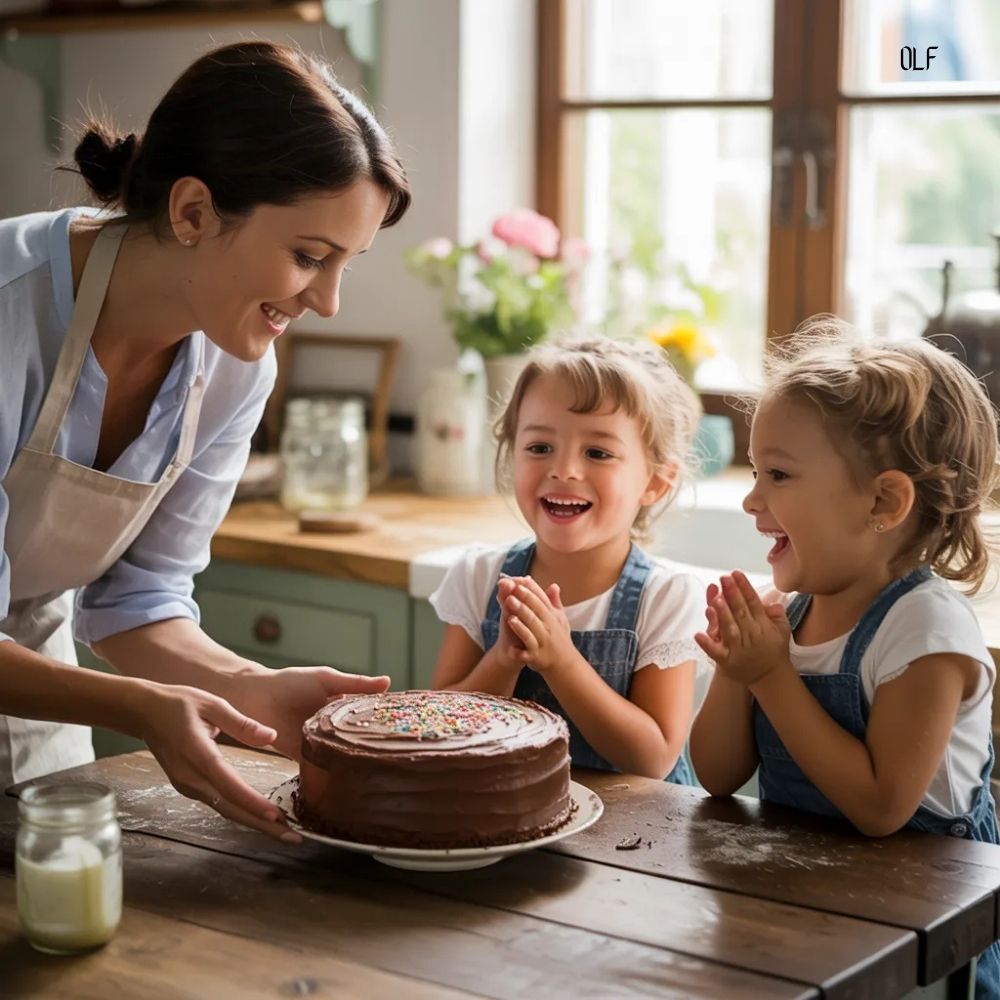
Overly large portions elevate excitement. Extremely tiny portions may create scarcity tension. Choose a moderate, consistent portion for each dessert occasion. For example:
- One cookie
- A small bowl of ice cream
- One slice of homemade banana bread
Consistency reduces emotional spikes. Avoid offering second servings automatically. If dessert is part of the structure, it remains within reasonable limits.
When portions are steady, children adapt. Intensity decreases because there is no surprise abundance or sudden restriction.
4. Separate Behavior From Dessert
When dessert is used as a reward or punishment, it becomes emotionally charged. Statements such as: “You can’t have dessert because you were rude,” or “You earn dessert if you finish your vegetables,” to tie sweets to performance.
Behavioral limits should be enforced separately from food. If a child speaks disrespectfully at dinner, correct the tone directly without involving dessert. Keeping dessert separate protects its neutrality.
Children learn that food is nourishment, not leverage. This separation supports healthier attitudes toward both food and discipline. The measurable outcome is fewer power struggles linking behavior and sweets.
5. Model Balanced Language About Sweets
Children absorb adult attitudes quickly. If adults describe dessert as “bad,” “cheating,” or “guilty,” children internalize those messages. Instead, use neutral language:
- “This is part of dinner tonight.”
- “This is something we enjoy sometimes.”
Avoid labeling foods as good or bad. Focus on balance. If you enjoy dessert calmly without dramatizing it, children learn moderation through observation. Balanced modeling reduces secrecy and fixation.
A Realistic Example
Imagine a family that includes dessert every Friday evening. Dinner includes pasta, salad, and garlic bread. A small brownie square is placed on each plate at the start of the meal.
The parent says calmly: “Dessert is part of dinner tonight.” The child eats the brownie first, then moves to the pasta. There is no commentary.
On Tuesday, when the child asks for dessert, the parent responds: “Dessert is on Friday.”
Within several weeks, dessert-related questions decrease. Friday becomes enjoyable rather than chaotic because the structure is steady. The measurable difference is reduced daily negotiation and calmer mealtimes.
Supporting Hunger Awareness
Dessert should not replace balanced meals. Continue offering structured meals with protein, fiber, and healthy fats.
If a child consistently fills up on dessert and refuses the meal, maintain the structure. Over time, hunger cues adjust to predictable timing. The goal is not perfect distribution of bites. It is long-term regulation.
The Long-Term Skill Being Built
Balanced dessert inclusion teaches moderation and self-regulation. Children learn that sweets are enjoyable but not scarce or forbidden. They experience predictability rather than restriction.
This reduces the likelihood of overeating when given independent access later in life. Food becomes neutral rather than emotional.
Structure Creates Calm
Dessert becomes dramatic when it is unpredictable or conditional. It becomes ordinary when it is structured.
These steady habits support a healthier relationship with food over time. When dessert loses its emotional leverage, meals become calmer and children develop sustainable eating patterns without unnecessary tension.