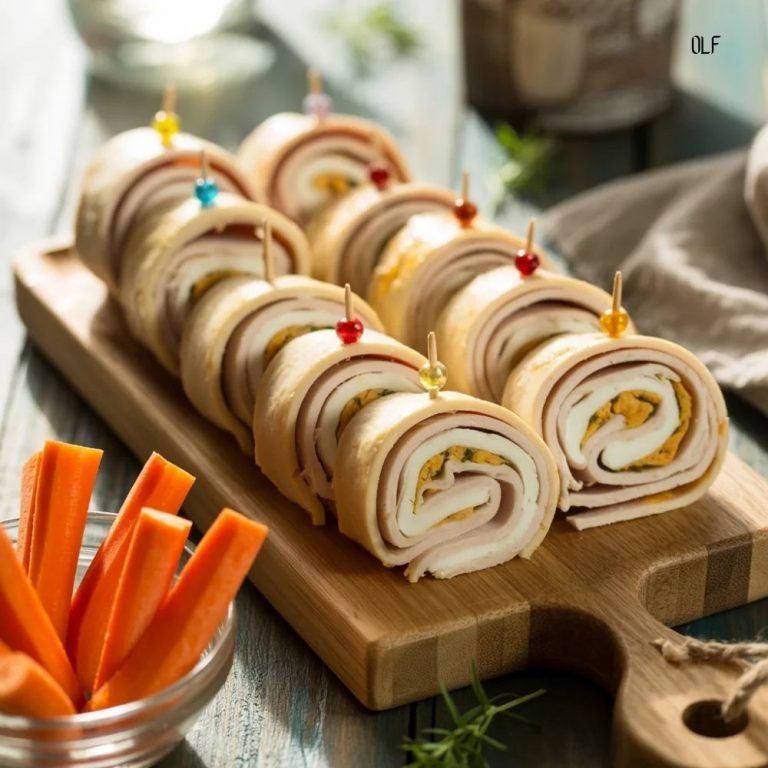
Snack time seems small, but in many homes it becomes one of the most frequent negotiation points of the day. Children ask for food repeatedly between meals. Parents say yes sometimes and no other times.
Hunger cues blur. Mealtimes lose structure. By late afternoon, energy crashes and irritability increase. The issue is rarely the snack itself. It is the lack of rhythm.
When snacks are offered unpredictably or in response to boredom, children struggle to recognize true hunger. When parents respond inconsistently, food becomes a negotiation tool rather than a structured part of the day.
A simple snack rhythm built around two predictable snack windows solves this without restriction or rigidity. It supports hunger awareness, steadier energy, and fewer daily arguments about food.
This system is measurable, achievable, and adaptable across ages.
Why Grazing Disrupts Hunger Awareness
Children are still developing interoception, the ability to recognize internal body signals such as hunger and fullness. When food is available continuously, those signals become muted. A child may ask for a snack not because they are hungry, but because it is available.
Additionally, when snacks occur too close to meals, appetite for structured mealtime decreases. This often leads to dinner resistance, which then prompts more snacking later. The cycle becomes circular.
Predictable snack timing allows hunger to build appropriately. Mild hunger before meals increases openness to a variety of foods. When children know that the next snack is scheduled, they feel secure and less likely to negotiate impulsively.
The goal is not limiting food. The goal is restoring rhythm.
The Two-Window Snack System
The structure is simple: offer two snack windows each day at consistent times.
For most school-aged children, this might look like:
- Mid-morning snack.
- Mid-afternoon snack.
The exact times can vary by family schedule, but consistency matters more than the clock.
Outside of those windows, the response to snack requests remains steady: “Snack time is at 3:30. You can have water now.”
This language is calm, predictable, and non-negotiable. The child learns that food comes reliably. There is no need to ask repeatedly.
Step-by-Step Implementation
Step One: Choose Consistent Snack Times
Select two times that fit naturally into your day. For example, 10:00 a.m. and 3:30 p.m. If your child attends school, align with their school snack schedule.
Explain clearly: “We have two snack times each day. That helps our bodies know when to expect food.” Keep the explanation brief. Children respond better to clarity than long reasoning.
Step Two: Structure the Snack Composition
Each snack should contain two elements:
- A source of protein or fat.
- A source of fiber or carbohydrate.
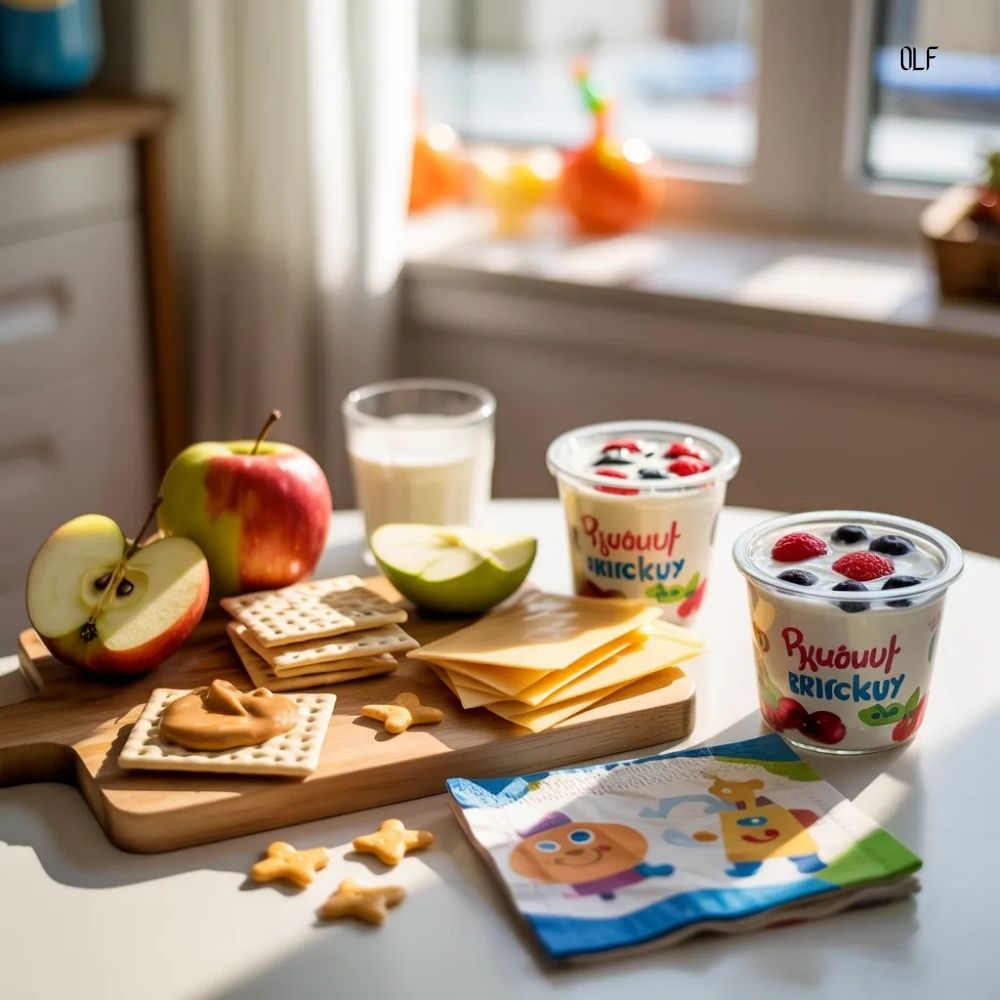
This pairing stabilizes energy and prevents rapid blood sugar spikes. For example, instead of offering crackers alone, pair them with cheese. Instead of fruit alone, add yogurt or nut butter. Balanced snacks reduce the likelihood of immediate hunger returning.
Step Three: Hold the Boundary Calmly
The first week often includes testing. Children accustomed to grazing may ask repeatedly for food outside the window.
Respond consistently: “Snack time is later. Dinner is at six.” Avoid adding emotional commentary. The repetition of structure builds trust.
If a child insists they are hungry, assess calmly. If the previous snack was skipped or unusually small, flexibility may be appropriate. Structure should support hunger awareness, not override it.
What to Expect in the First Two Weeks
Initially, children may ask more often. This is not regression. It is testing the reliability of the new rhythm.
By the second week, most families notice:
- Fewer unscheduled snack requests.
- Increased appetite at dinner.
- Reduced bargaining for pre-meal food.
- More stable afternoon energy.
Track how many times per day snack negotiations occur. If requests drop from five to two within two weeks, the system is working.
The measurable goal is fewer daily negotiations and improved appetite at meals.
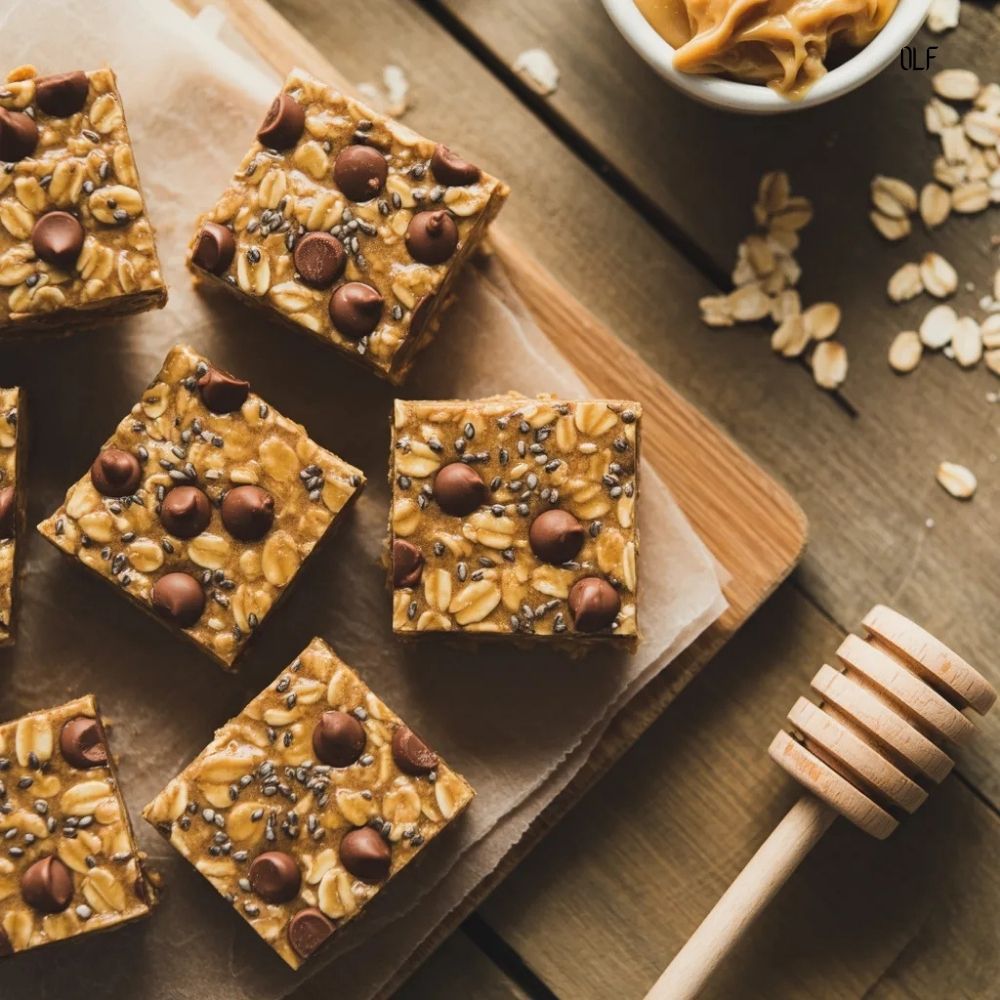
An Easy Balanced Snack Recipe: No-Bake Oat Energy Squares
To support this rhythm, having one reliable, balanced snack prepared ahead of time reduces daily decision-making. These no-bake oat energy squares are simple, stable, and easy for children to help make.
They contain fiber, healthy fats, and protein, which support steady energy between meals.
Ingredients
- 1 cup rolled oats
- ½ cup natural peanut butter (or sunflower butter)
- 2 tablespoons honey
- 2 tablespoons chia seeds or ground flaxseed
- ¼ cup mini dark chocolate chips or dried fruit
- 1–2 tablespoons milk (as needed for texture)
Preparation
In a mixing bowl, combine the oats, chia seeds, and chocolate chips or dried fruit. Stir in the peanut butter and honey until fully combined. If the mixture feels too dry, add a small amount of milk to help it bind.
Press the mixture firmly into a small lined container. Refrigerate for at least one hour. Once firm, cut into squares. Store in the refrigerator for up to five days.
These squares pair well with sliced fruit or a glass of milk for a balanced snack window. Involving children in preparation increases ownership and willingness to eat what is offered.
Adjusting by Age
For younger children, portion snacks onto a plate rather than allowing free access to containers. Visible structure supports self-regulation.
For older children, teach them to assemble their own balanced snack using the pairing principle: one protein, one fiber source.
For example, an older child might choose yogurt with berries or apple slices with peanut butter independently during snack time. The rhythm remains consistent even as independence grows.
Measuring the Outcome
After three to four weeks, assess the following:
- Has the number of unscheduled snack requests decreased?
- Is dinner resistance reduced?
- Are energy crashes in late afternoon less intense?
- Does the child recognize hunger cues more accurately?
If mealtime conflict decreases and afternoon behavior stabilizes, the rhythm is working.
The Long-Term Skill Being Built
This snack system teaches internal regulation. Children learn that hunger rises and falls predictably. They learn to wait for scheduled nourishment. They begin distinguishing true hunger from boredom.
These skills extend beyond childhood. Structured eating patterns support emotional regulation, focus, and long-term relationship with food. The goal is not rigid timing. It is predictable nourishment.
A Simple Rhythm That Reduces Daily Friction
When snacks happen unpredictably, food becomes a negotiation. When snacks follow a rhythm, food becomes part of the day’s structure.
Two predictable snack windows create security. Balanced snack composition supports steady energy. Calm boundaries reduce bargaining.
Over time, hunger awareness strengthens. Mealtimes feel smoother. Energy levels stabilize. A simple rhythm, repeated consistently, builds steadier bodies and calmer days.