Escalation at home rarely begins with a major event. It often starts with something small. A child ignores a request. A sibling interrupts. Shoes are not put away for the third time. The parent repeats the instruction with sharper tone. The child pushes back. Within seconds, the emotional temperature rises.
Most parents do not intend to react strongly. They react because they are tired, overstimulated, or managing multiple responsibilities at once. When children resist or delay, the brain interprets it as urgency. The nervous system speeds up. The voice follows.
The problem is not that parents feel frustration. The problem is that frustration moves faster than intention.
The Pause Practice is a structured, repeatable method for interrupting reactive cycles before they escalate. It does not require perfection. It requires consistency. When used regularly, it produces measurable change in household tone and reduces the frequency of power struggles.
The outcome is not silent children. The outcome is fewer emotional escalations and quicker recovery when tension rises.
Why Reactive Cycles Happen
Children test limits as part of development. They repeat behaviors to understand boundaries. They delay tasks to extend autonomy. They forget instructions because executive function is still developing.
Parents, meanwhile, are managing time constraints and mental load. When a child does not respond immediately, it can feel like defiance rather than developmental delay.
The brain’s threat detection system activates quickly under stress. Once activated, reasoning decreases and volume increases. When a parent’s tone sharpens, the child’s nervous system reads it as conflict. That often leads to further resistance, louder voices, or emotional shutdown.
This loop is what creates escalation cycles. Interrupting that cycle requires a deliberate moment of pause between stimulus and response.
The Structure of the Pause Practice
The Pause Practice has three parts:
- Physical Reset
- Emotional Labeling
- Measured Response
The entire sequence takes less than ten seconds, but those seconds change the trajectory of the interaction.
Step One: Physical Reset
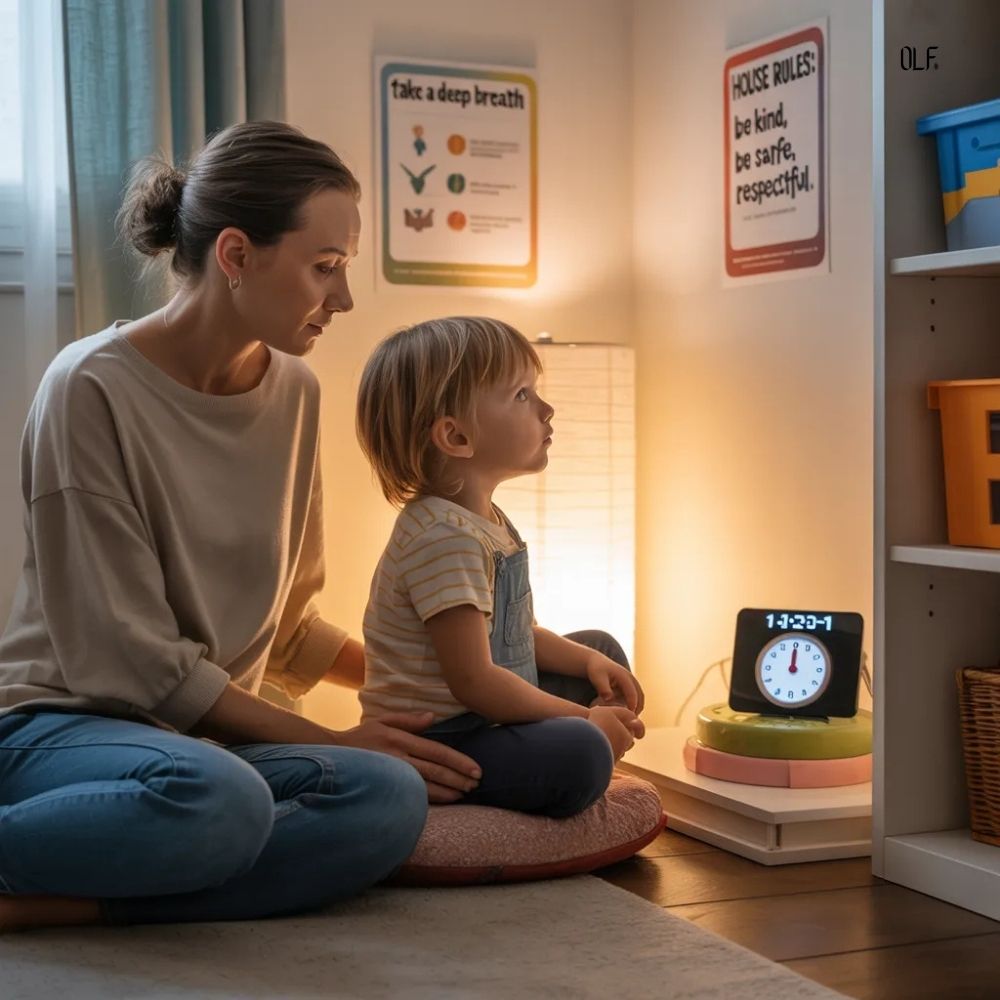
When a triggering moment occurs, the first task is not correction. It is regulation. Instead of speaking immediately, pause. Take one slow breath. Lower your shoulders intentionally. If standing over the child, soften your posture or step slightly back.
This physical shift signals safety to your own nervous system. The breath interrupts automatic reaction. You might internally say, “Pause.” That word becomes a cue for regulation.
The goal is not eliminating frustration. It is lowering intensity before speaking.
Step Two: Emotional Labeling
Once physically steadier, silently identify your own emotion. You might think, “I feel rushed,” or “I feel ignored.”
Labeling emotion reduces its intensity. Research consistently shows that naming feelings helps the brain regulate them. This applies to adults as much as children. This step remains internal. It creates awareness before communication.
Step Three: Measured Response
Only after pausing and labeling do you respond. Keep language simple and neutral: “I asked you to put your shoes away.”
Avoid adding commentary such as “Why do I have to say this every day?” or “You never listen.” The shorter and calmer the instruction, the less fuel is added to the moment.
If resistance continues, repeat once without raising volume: “Shoes away now.” Then allow space for compliance. This structured response prevents emotional layering.
What to Expect in the First Two Weeks
When first practicing this method, you may still feel strong internal reactions. That is normal. The Pause Practice does not remove emotion; it organizes it.
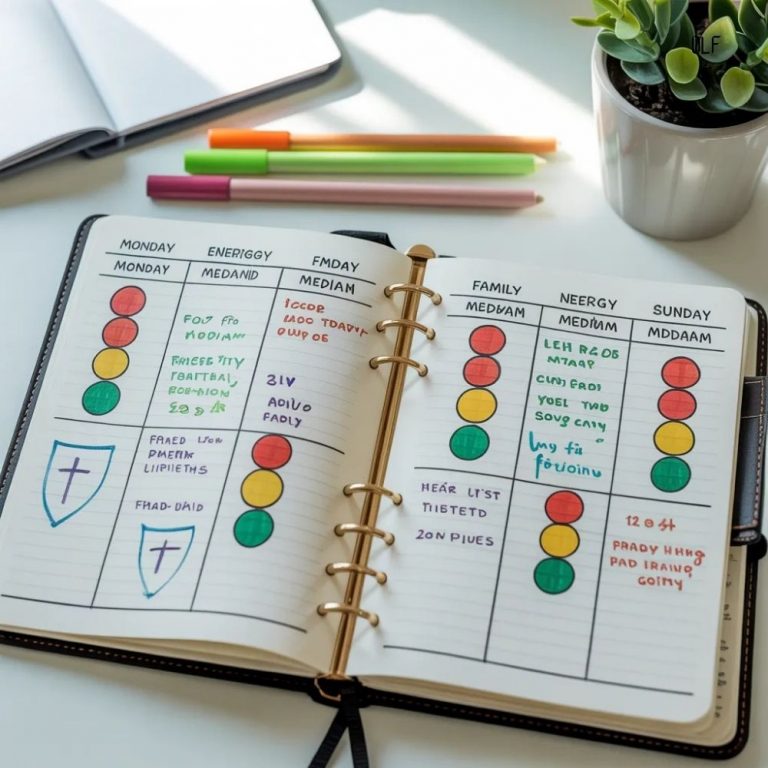
In the first week, the measurable goal is simply reducing voice elevation. Track how many times per day you raise your voice. If that number decreases gradually, the system is working.
By week two or three, you may notice:
- Shorter arguments.
- Faster child compliance after first instruction.
- Reduced back-and-forth exchanges.
- Less emotional exhaustion at the end of the day.
These are observable outcomes.
Common Situations Where the Pause Practice Helps Most
The Pause Practice is particularly effective during:
- Repeated reminders for chores.
- Sibling conflict interruptions.
- Homework resistance.
- Morning delays.
- Bedtime stalling.
In these moments, parents often respond quickly and emotionally. The structured pause slows the reaction enough to preserve authority.
What the Pause Practice Is Not
It is not ignoring behavior. It is not permissiveness. It does not eliminate boundaries. Correction still happens. Limits remain clear. The difference is timing. Regulation precedes correction.
When adults regulate first, children are more likely to comply without escalation because they do not feel attacked.
Teaching Children the Same Pause
As children observe this pattern, they begin absorbing it. After a calm correction, you might later say: “When we feel frustrated, we pause first.”
Over time, children begin pausing before reacting themselves. They internalize the rhythm of slowing down. This is co-regulation becoming self-regulation.
Measuring Fewer Escalations
You can evaluate progress by tracking:
- Frequency of raised voices per day.
- Duration of arguments.
- Number of repeated instructions required.
- Speed of recovery after conflict.
If arguments previously lasted ten minutes and now last three, that is measurable improvement. If compliance increases after one calm instruction rather than three escalating ones, the cycle is shifting.
Adjusting the Practice for High-Stress Days
On particularly busy or overstimulated days, reactions may return more quickly. That does not mean the system failed. It means regulation resources are lower.
On these days, simplify expectations. Use shorter instructions. Increase physical distance briefly if needed before responding.
Even one deliberate pause in a tense moment preserves progress. Consistency over time matters more than perfection in every interaction.
The Long-Term Skill Being Built
The Pause Practice strengthens emotional regulation in the adult first. That shift changes the entire household climate.
Children who grow up in environments where correction follows calm regulation develop stronger internal control. They learn that strong feelings do not require immediate action. They observe that authority can remain steady without volume.
This reduces anxiety and builds trust. Over time, the home environment feels more predictable. Children test boundaries less aggressively when they know reactions will be measured.
A Steady Shift in Household Tone
Escalation is often a habit built from speed. The Pause Practice replaces speed with structure.
Repeated consistently, this sequence lowers the emotional temperature of the home. It reduces daily friction and increases cooperation.
The goal is not eliminating conflict entirely. Conflict is part of growth. The goal is shortening it and managing it without escalation.
When parents pause before responding, they model control. When control replaces reaction, tension decreases.
Fewer escalations do not happen by chance. They happen through small, repeatable interruptions of reactive cycles. And those small interruptions, practiced daily, reshape the rhythm of the home.